
Salon and Service Shoots
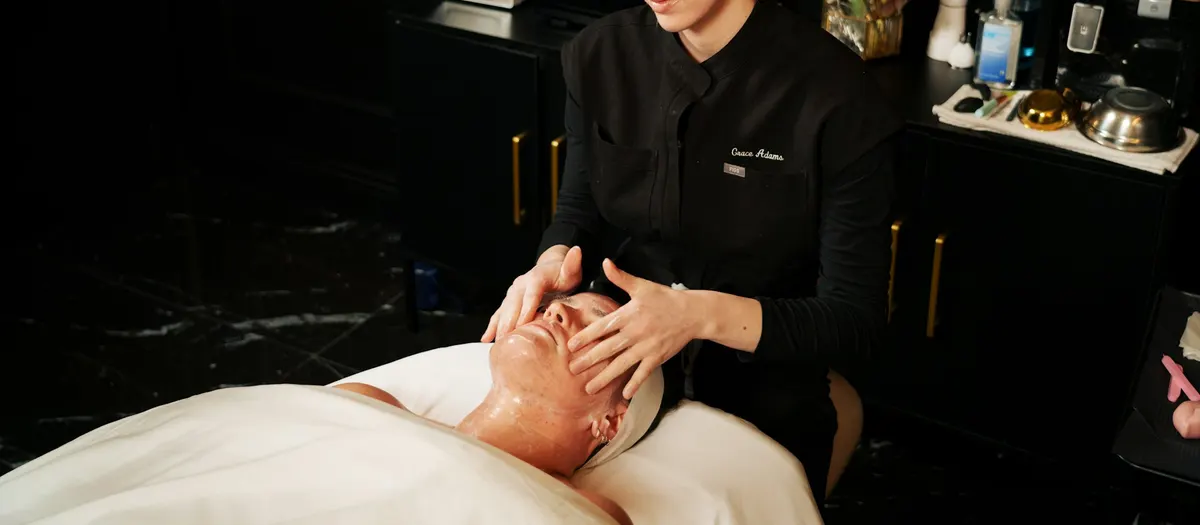
We shoot your salon’s atmosphere, your team and moments from your services with professional lighting. Client images are used only with written permission.
Beauty & Cosmetics
For cosmetics brands, beauty salons and hair salons: digital marketing that grows product sales and fills your booking calendar.
Get a Quote30 minutes · Free · Not a sales call
Growth Built for Beauty Salons
Free analysis
We review your business and competitors, then get back to you within 1 business day.
Sound familiar?
When we talk to cosmetics brands and beauty salon owners, we hear the same complaints again and again. The light boxes show the problem; the dark boxes show how we solve it.
We have followers on Instagram, but no sales and no bookings.
Instead of content that collects likes, we build campaigns that ask directly for a purchase or a booking.
Ad costs keep going up and there’s no profit left.
We look at which products and services actually make a profit and send the budget there.
Clients come once and never come back.
We set up automatic reminder and rebooking flows timed to each client’s care routine.
We look at your brand, your service list and your area, then give you a realistic budget range and a 90-day priority list. The call is free.
Scope of work · Illustrative examples
Here is every step of the work, shown the way it will look for your business: first the site your customers land on, then how you appear on Google and Instagram, and finally how we measure which ad brings in customers.
01Step 1
Whoever clicks an ad or a search result lands on your site first. We build pages that load fast on a phone and show your services, pricing logic and contact options on the first screen.
Skin care made for your skin, by appointment
Care sessions planned around a skin analysis. Pick a time online.
Book NowOnline booking
Skin analysis
Open weekends
02Step 2
We show up for people already searching for your service, at the moment they search. Campaigns are split by search intent, and ad copy only uses facts verified on your site.
Sponsored
Facial Skin Care | Book Online
Care sessions planned around a skin analysis. Pick a day and time online.
Skin CareServicesAppointments
Sponsored
Hair and Makeup Services | Lumen
Hair and makeup for special days. Tell us your date and we will hold your appointment.
ServicesContact
Sponsored
Lumen Beauty Studio
Beauty salon · Main St, Downtown
Open · Closes 9 PM
03Step 3
We show your business to people nearby or interested who aren't searching yet. Vertical video, single image and carousel ads are tested together; the winners get scaled.
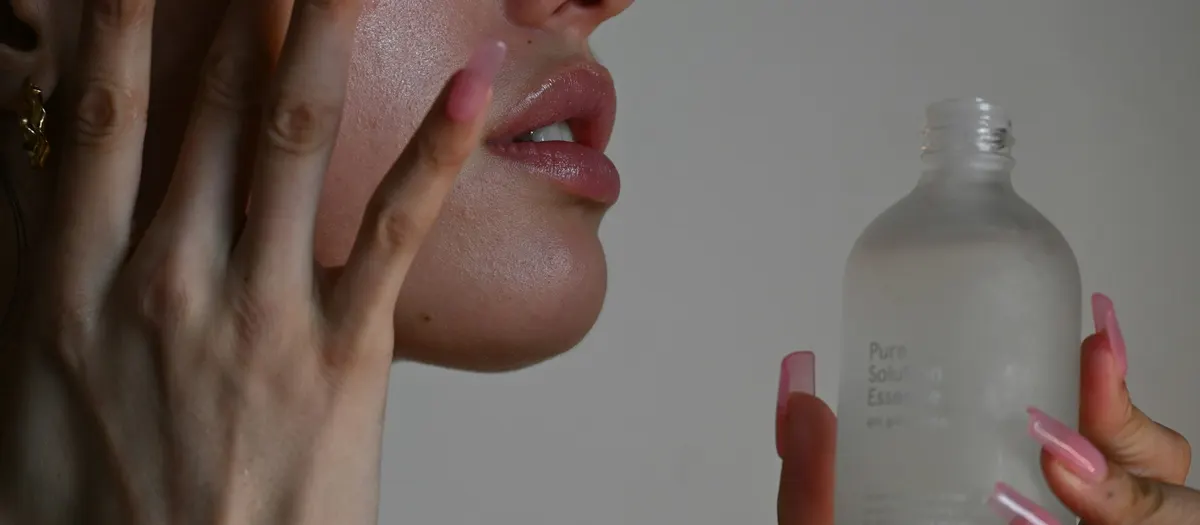
Take an hour for yourself
Care planned around a skin analysis.
Book Now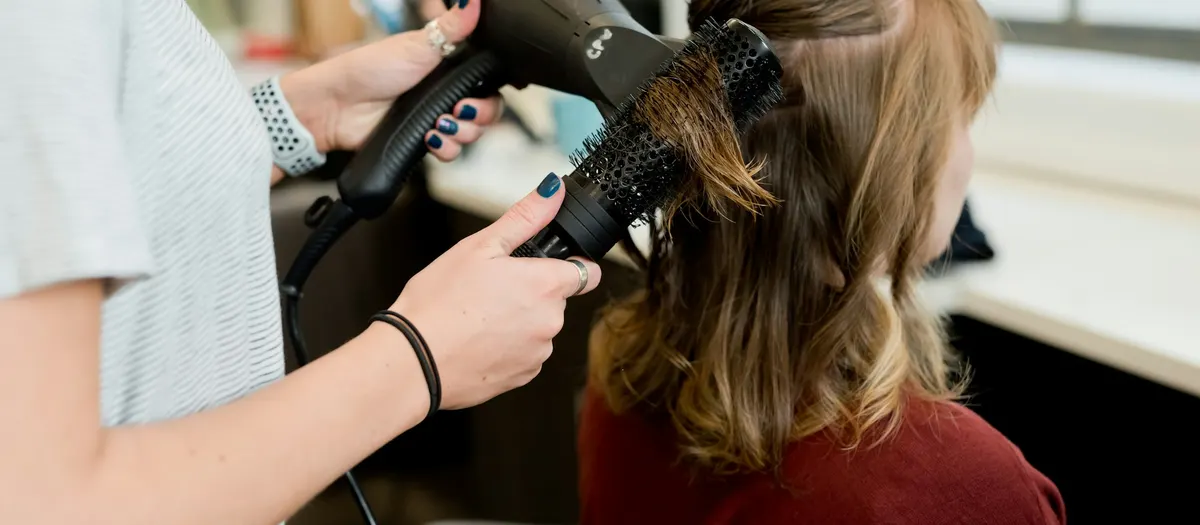
Ready for the big day
Hair and blow-dry services.
Message on WhatsApp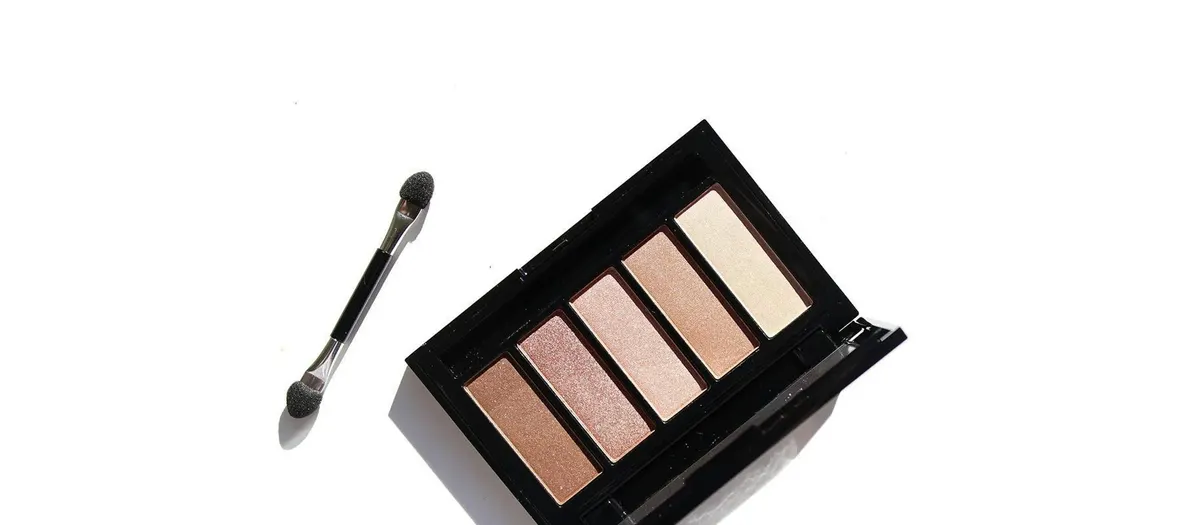
Natural and long-lasting makeup
Bridal and special-occasion makeup.
Ask About a Date04Step 4
The work starts with measurement so no ad spend goes to a result nobody can see. Every step from search to customer is tracked, and the budget grows with real demand, not guesses.
Images and copy are illustrative examples; the brand name is made up. The real work uses your own photos, prices and details.
Request This Plan for My BusinessPackages
We don’t list prices, because in this industry the budget depends on your business model, the number of products and how competitive your area is. We decide together on the call which package fits you.
For beauty salons, hair salons and skincare studios
For cosmetics brands selling from their own website
For brands that sell products and also run locations
Photo · Content · Social Media
In beauty, clients decide by seeing the work, and Instagram is your storefront. We tie shoots that show your salon, your team and the quality of your work to your booking flow.
We shoot your salon’s atmosphere, your team and moments from your services with professional lighting. Client images are used only with written permission.
We make short videos that show hair, makeup and skincare services step by step. This is the format that tends to bring new clients from the Explore feed.
Content calendar, stories, promotion announcements and DM management, all from one team. Booking requests that come in by message go straight to your calendar.
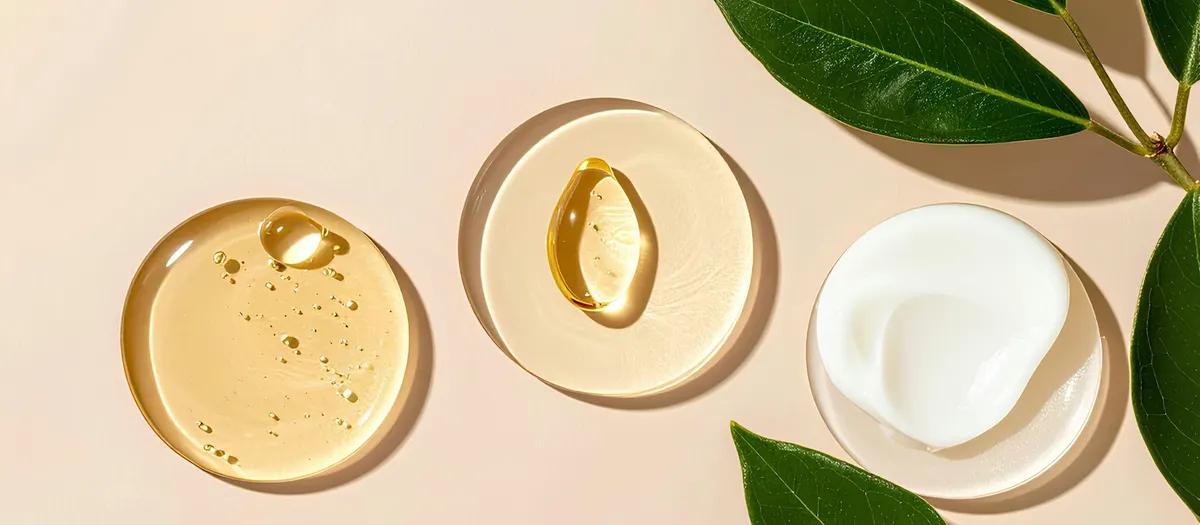
For cosmetics brands, we produce product shots and ad creatives that show texture, color and packaging detail.
Industry know-how
In this industry, people decide with their eyes. Content that shows the product box or the salon sign gets scrolled past; content that shows the moment of application, the texture and the finished look makes people stop. That’s why creative production isn’t a side task here; it’s the center of your marketing.
In cosmetics the product runs out; in salon services the next appointment comes due. A brand that brings clients back with a reminder at the right time doesn’t have to win a new customer every time. Reminder flows built around care and usage cycles create a revenue channel that doesn’t depend on the ad budget.
A cosmetic can’t be presented as a drug: claiming that it treats or cures something crosses that line, and promoting aesthetic or medical treatments falls under healthcare advertising rules. Exaggerated claims get ads rejected and carry legal risk. We write your copy within these limits from the start.
In this industry, people trust the experience of someone who uses the product more than the brand’s own ads. Real customer content and well-chosen creator partnerships often work better than classic ads on the same budget.
Process
A 30-minute phone call about your business model, your service or product list and your current channels. It isn’t a sales call; it’s a conversation about what needs to be done.
We review your ad account, your social media performance and your map visibility, and map where competitors stand. You see where your budget is being wasted.
You get the priority channel, a monthly budget range, a creative plan and the technical fixes in writing. It’s clear what happens in which month.
Campaigns go live, pages are updated and booking and sales tracking is connected. Every month you get one report with the work done, the results and next month’s plan.
What do we do?
We don’t launch everything at once. We set priorities based on your business model, your product or service list and your goals, and start the budget on the channel that pays back fastest.
This industry’s main sales channel.
Growing product sales profitably.
Showing up in “near me” searches.
The channel that builds trust faster.
A second purchase from the same customer.
Making sure no request goes to waste.
Free analysis
Fill out the form and we'll review your site, your competitors and the search demand in your industry, then call you within 1 business day. The call takes 30 minutes, it's free, and it isn't a sales call.
This isn't a sales call. We won't say “yes” to work that isn't a good fit for you; we'll tell you so plainly on the call.
S.S.S.
Beauty & Cosmetics Knowledge Center
The six questions cosmetics brands and beauty salons ask us most, answered from hands-on experience. Each heading matches a question people actually search for.
Meta Ads
In this industry, Instagram isn’t a promotion channel; it’s a direct sales channel. But people don’t search for products there; products find them. That’s why the first second of an ad should show the product being applied and the finished look, not the box. Creatives that look like catalog photos get scrolled past quickly.
The formats that work best are usually real usage videos: close-ups of the product going onto skin, moments that show its texture, routine walkthroughs and content that puts real customer reviews front and center. This content doesn’t need studio quality; content that looks genuine and real often performs better.
Creatives should be chosen by testing, not guesswork. Each round a limited number of variations go live, the winner is scaled and the losers are switched off. Creative fatigue sets in fast in this industry; running the same image for too long quietly drives costs up. That’s why regular creative production should be set up as a process.
The campaign goal has to be chosen correctly. Campaigns set up with an engagement goal bring cheap likes but don’t find buyers. When the goal is set to purchases, the system starts looking for people who show buying behavior. Catching a visitor who looked at a product but didn’t buy, with a catalog ad, also brings sales at a much lower cost than new-customer campaigns.
Rules
Cosmetics aren’t drugs and can’t carry drug-like claims. Saying a product treats or cures a condition, or delivers a medical result, crosses the line cosmetics rules draw. Phrases like “treats acne”, “stops hair loss” or “erases wrinkles” go beyond that line.
That doesn’t mean you can’t say what the product does. You can describe it, as long as you stay within what the product actually does on the surface: moisturizing, softening skin, improving how skin looks, a temporary plumping feel. The difference is between promising a lasting medical result and describing a visible, cosmetic effect, and any claim you make should be one you can back up.
Ad platform policies enforce this line with their own rules. Rejected ads usually aren’t a technical error; they’re about the claim language. Before-and-after images are also restricted in many categories; images showing an exaggerated transformation get rejected or put the account at risk.
Aesthetic and medical treatments are a completely separate area: promoting them falls under healthcare advertising rules, which are stricter. If a beauty business offers both cosmetic services and medical treatments, the two should be communicated separately, each under its own rules. For a definitive legal assessment, we recommend confirming with your own legal counsel.
Local SEO
For local services, the most valuable traffic comes from map results. Searches like “hair salon near me”, “beauty salon [neighborhood]” or “facials in [town]” carry the intent to book that day or that week. A salon that doesn’t show up near the top of the map results loses these customers without ever seeing them.
The main factors behind map rankings are a complete business profile, the right category, a filled-in list of services, a steady flow of genuine reviews and the distance to the person searching. Opening hours, a price range where you can give one, salon photos and the booking link should be kept up to date.
Reviews are at the center of the decision in this industry. Making it a routine to ask every customer for a review after their appointment steadily raises the number of reviews and gives you a fuller, more representative rating. Replying to a negative review in a solution-focused rather than defensive way often leaves a positive impression on the other customers who read it.
Having separate service and neighborhood pages on your site strengthens organic visibility. When each service page explains what the service is, how long it takes, who it’s suited to and what to keep in mind afterward, you show up for more searches and customers are convinced before they book. Offering online booking also wins over the people who hesitate to call.
Ecommerce
What stops people from buying cosmetics is uncertainty: is this product right for my skin type, what’s in it, does it actually do what it says? When the product page doesn’t answer these three questions clearly, shoppers go off to compare and often don’t come back.
That’s why the product page should include the ingredient list, which skin types it suits, how to use it and a realistic description of what to expect. Short videos showing the product’s texture and how it’s applied are far more convincing than a single white-background photo. Size and how long the product lasts also directly affect how the price is perceived.
Social proof is the strongest factor at the moment of decision in this industry. Real customer reviews, reviews that can be filtered by skin type and content shared by customers clearly lift conversion. Showing reviews on the product page also gives shoppers a reason to buy from your own site rather than from a marketplace.
The last step is the cart and checkout. Showing the shipping cost and delivery time on the product page, offering a sample or travel size, stating the return policy clearly and keeping checkout short all lower abandonment. In reminders sent to shoppers who abandoned their cart, repeating the trust information before offering a discount usually works better.

Partnerships
In this industry, people trust the experience of someone who uses the product more than the brand’s own words. That’s why creator partnerships are one of the most effective ways to build trust faster. But the selection criterion isn’t follower count; what decides it is how well their audience matches your brand and whether their content really gets watched.
Smaller creators with a strong bond with their audience often deliver better results than large accounts with low engagement. The evaluation looks at comment quality, view rates and how natural their past partnerships felt. Creators who promote many brands in the same period usually perform worse.
The partnership brief should be clear, but the voice of the content should be left to the creator. A creator reading out copy written in the brand’s own ad voice loses the content’s natural feel, and the partnership looks like an ad. At the same time, rules such as not using claims that break cosmetics rules and clearly disclosing that the partnership is an ad should be set out in writing from the start.
The best return comes from also using the content as ads. For that, the right to use the content has to be in the contract. That way a single partnership provides both organic reach and creative for paid campaigns. The partnership’s return should also be measured; sales that come through a dedicated discount code or a separate link should be tracked.
Repeat Sales
In this industry the real profit comes from repeat business, not the first sale. In cosmetics the product runs out; in services the next appointment comes due. A brand that knows this cycle brings the customer back with a reminder at the right time, and doesn’t have to spend on ads to win a new customer every time.
For products, the way to do this is a reminder based on how long the product lasts. If you know how many weeks a product usually lasts, a message sent around that time converts very well. For services, a rebooking reminder timed to the client’s care routine does the same job; the client books the appointment they’d been meaning to make but kept putting off.
Packages and memberships make repeat business predictable. Multi-session packages, monthly care memberships or product subscriptions both steady your cash flow and tie the customer to your brand. Explaining the benefit of these offers clearly makes it easier to move from one-off sales to package sales.
Finally, your customer list should be built with permission and split into segments. Frequent visitors, long-inactive customers and high spenders shouldn’t get the same message. A dedicated win-back campaign for customers who haven’t been back in a long time usually costs less than winning new customers, and it’s often the work that pays back fastest.
↕ Scroll up / down to read every section.
Product sales, a full booking calendar or repeat customers: which should come first? We’ll be clear about it on the call.
Book a free intro call30 minutes · Free · Not a sales call
Work in a different industry? Visit our industries page for more.