
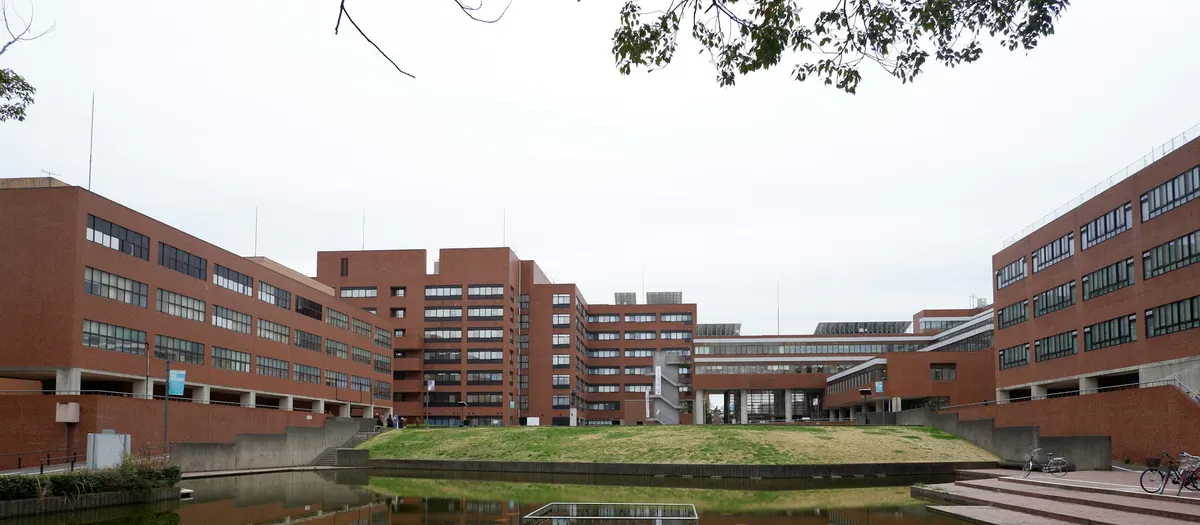
Campus and Classroom Photography
Classrooms, labs, sports facilities and common areas are photographed professionally. Images of students are used only with parental permission.
Education
For schools, learning centers and online education brands: digital marketing that reaches parents at the right moment and turns into tours and enrollments.
Get a Quote30 minutes · Free · Not a sales call
Brands we've worked with



Growth Built for Schools
Free analysis
We review your business and competitors, then get back to you within 1 business day.
Sound familiar?
When we talk to school and learning center leaders, we hear the same complaints again and again. The light boxes show the problem; the dark boxes show how we solve it.
When enrollment season comes, we rush to run ads and we’re already late.
We plan your enrollment calendar from the start so you’re visible before parents begin deciding.
Parents look for us online but find another school.
We put you ahead on Google and in the map results for the school types and neighborhoods parents search for.
Forms come in, but parents don’t show up for the tour.
We set up the reminders and follow-up that take parents from the form to a scheduled visit.
We look at your enrollment calendar and your area, then give you a realistic budget range and a season plan. The call is free.
Scope of work · Illustrative examples
Here is every step of the work, shown the way it will look for your business: first the site your customers land on, then how you appear on Google and Instagram, and finally how we measure which ad brings in customers.
01Step 1
Whoever clicks an ad or a search result lands on your site first. We build pages that load fast on a phone and show your services, pricing logic and contact options on the first screen.
Enrollment for the new school year is open
Tour our campus and learn about grade levels and the class schedule.
Tour the SchoolCampus tours
Scholarship information
Transportation zones
02Step 2
We show up for people already searching for your service, at the moment they search. Campaigns are split by search intent, and ad copy only uses facts verified on your site.
Sponsored
Private Middle School | Enrollment and Campus Tour
Grade levels, class schedule and transportation zones. Book a campus tour.
Grade LevelsEnrollmentCampus
Sponsored
Scholarship Application | Compass Academy
Scholarship dates and application steps. Fill in the form and we will call you.
ApplyDates
Sponsored
Compass Academy
Private school · Campus Rd
Open · Closes 5 PM
03Step 3
We show your business to people nearby or interested who aren't searching yet. Vertical video, single image and carousel ads are tested together; the winners get scaled.

Not a classroom, a place to learn
Tour our labs and workshops.
Book a Tour
Hold your place for the new term
Grade levels and enrollment steps.
Learn More
Stay on track from home
A digital classroom and homework system.
Explore04Step 4
The work starts with measurement so no ad spend goes to a result nobody can see. Every step from search to customer is tracked, and the budget grows with real demand, not guesses.
Images and copy are illustrative examples; the brand name is made up. The real work uses your own photos, prices and details.
Request This Plan for My BusinessPackages
We don’t list prices, because in education the budget depends on the type of institution, the area and your enrollment goal. We decide together on the call which package fits you.
For single-campus schools and learning centers
For schools that want to make the most of enrollment season
For distance learning and online course platforms
Photo · Content · Social Media
Before visiting a school, parents and students look online for an answer to “what is it like there?”. Content that shows the campus, classrooms and teachers as they really are speeds up the enrollment decision.
Classrooms, labs, sports facilities and common areas are photographed professionally. Images of students are used only with parental permission.
We produce short videos about your school’s approach to teaching and your teaching staff. In enrollment season ads, these videos are the creatives that bring the most inquiries.
We build a content calendar for events, achievements and everyday school life. Parent messages reach your admissions team in an orderly flow.
We cover open houses, graduations and performances, prepared both as same-day stories and as an archive for the next enrollment season.
Industry know-how
In education, demand isn’t spread evenly across the year; parents research and decide in certain months. Once that window passes, the same budget can’t produce the same result. The campaign calendar is built backward from enrollment season, and preparation is finished before the season starts.
In education, the person who pays and decides is often the parent, while the student is the one who uses the service. The two audiences have different expectations and speak differently: parents ask about safety, academics and transportation; students care about the environment and social life. Your communication has to address both separately.
Parents mostly look at schools close to home or work. That’s why ads spread over a wide area waste budget in education. Location targeting around the campus and neighborhood-level visibility bring far more visits from the same budget.
In education, digital marketing’s job isn’t to take the enrollment directly but to bring parents to the campus or an info session. That’s why the measure of success isn’t form fills but tours that actually happen. Without reminders and follow-up between the form and the visit, a large share of inquiries get lost along the way.
Process
A 30-minute phone call about your type of institution, your enrollment calendar and your current channels. It isn’t a sales call; it’s a conversation about what needs to be done.
We map search volume in your area, where competing schools stand in ads and organic search, and how parents search. You see where you’re losing parents.
You get a monthly campaign plan built on your enrollment calendar, a budget range, the landing pages and the content plan in writing. It’s clear what happens in which month.
Campaigns go live, pages are updated and form and call tracking are connected. Every month you get one report with the work done, the results and next month’s plan.
What do we do?
We don’t launch everything at once. We set priorities based on your type of institution, your enrollment calendar and your area, and start the budget on the channel that brings tours fastest.
Being visible while parents research.
Getting ahead at the moment of search during enrollment season.
Showing parents your school visually.
Showing up for “schools near me”.
Building trust before enrollment.
Parents trust other parents.
Free analysis
Fill out the form and we'll review your site, your competitors and the search demand in your industry, then call you within 1 business day. The call takes 30 minutes, it's free, and it isn't a sales call.
This isn't a sales call. We won't say “yes” to work that isn't a good fit for you; we'll tell you so plainly on the call.
S.S.S.
Education Knowledge Center
The six questions school and learning center leaders ask us most, answered from hands-on experience. Each heading matches a question people actually search for.
Enrollment Season
In education, demand isn’t spread evenly across the year. Parents start researching in certain months, visit a few schools and make their decision. Once that window closes, the same budget can’t produce the same result. That’s why the campaign plan is built backward from enrollment season.
The first phase of the plan is preparation: finishing the program pages, preparing campus photos and showcase videos, updating your Google Business Profile and setting up tracking. This work should be done before the season starts; trying to build the foundation during the season means losing the most valuable weeks.
The second phase is the research period. Parents haven’t decided yet and are comparing options. Informative content, campus showcases and school tour invitations come first here. The goal isn’t a direct enrollment but getting your school onto the parent’s shortlist.
The third phase is the decision period, when the budget is spent most heavily. Here the message gets specific: available spots, enrollment dates, payment options and an invitation to visit. Performance should be reviewed weekly throughout the season, and as soon as you see which program and which neighborhood bring visits, the budget should shift that way. At the end of the season, enrollments are reported by channel, and next year’s plan is built on that data.
SEO
The foundation of education SEO is program and area pages. Parents search for things like “private preschool in [neighborhood]” or “math tutoring in [town]”; the answer to these searches should be a separate, substantial page on your site covering that program and that area. Listing every program on one page means being strong in no search at all.
Content needs to answer parents’ real questions: class size, teaching staff, the daily schedule, meals and transportation, and whatever can be said about tuition. Hiding this information sends parents to a competing school; sharing it openly builds trust and makes you more likely to be found for related searches.
In education, local visibility matters almost as much as organic SEO. Parents look at schools near them; a school that doesn’t show up in the map results never makes that parent’s list. Your Google Business Profile should be complete, genuine reviews should be collected regularly and campus photos kept up to date.
Finally, seasonality affects the SEO plan too. Publishing enrollment season content before the season starts gives search engines time to evaluate those pages. A new page published during the season has little chance of ranking that year, so the content calendar is set at least one season ahead.

Parent Communication
When parents choose a school, they’re really making a decision about trust. They will be leaving their child somewhere for most of the day, so what they want to know most is about safety, attention and the academic approach. Price matters, but it’s usually not the first thing.
That’s why reducing uncertainty sits at the center of your communication. How the daily routine works, how many students are in a class, how experienced the teachers are, and how transportation and meals are arranged should all be explained clearly. Real photos and short videos of the campus are more persuasive than polished but exaggerated visuals.
Social proof is especially strong in education. Parents trust other parents; the experiences of current parents, the schools graduates go on to and student achievements are strong references. When you share them, protect children’s privacy and personal data, and never use images or names without permission.
The last step is convenience. Reaching the school, booking a visit and asking a question should be as easy as possible. A visible phone number, a working booking form, a messaging channel that gets fast replies and a clear address are the final link that decides the outcome of all your marketing.
Meta Ads
In education, Instagram is a discovery channel. Parents don’t search for schools there; schools come to them. That’s why the first second of the ad should carry not the school’s name but an image that catches a parent’s interest: a moment when children are genuinely happy, a lab experiment, a stage performance.
The content that works best shows the inside of the school. Campus tour videos, short clips of a typical day, teachers introducing themselves and event footage give parents the feeling that they’ve already seen the place. Content in the style of a corporate promo film usually gets less attention.
The campaign objective has to be chosen correctly. Campaigns built for likes and engagement show cheap results but don’t bring enrollments. If the goal is to bring parents to an info session or a school tour, the campaign should be built for that goal and measured by visits that actually happen.
Remarketing pays off well in education. Site visitors, video viewers and parents who started the form without finishing should see different messages throughout the decision period. Combined with location targeting around the campus, these audiences bring far more visits from the same budget. Keep an eye on the comments under your ads too: questions about tuition, bus routes and available spots pile up there, and every unanswered comment means losing an interested parent.
Online Education
In online education, the buying decision works differently from a physical school. Learners can’t tour a campus or meet the teacher in person, so the decision centers on a trial and proof of content quality. A free lesson, a sample video or a short placement test is the strongest sales tool.
That’s why the whole flow should be built around the trial: the ad invites people to the trial, and post-trial communication moves them to the paid program. The drop-off between these two steps is the biggest loss and must be measured. How many trial participants move to paid, and at what stage do the others give up?
Content marketing is naturally strong in online education. Creating free information on your subject brings traffic from search engines and proves your ability to teach. A provider that explains a topic well for free has a much easier time selling paid courses on it.
Finally, course completion is part of the sale. Students who enroll but don’t follow the lessons neither renew nor recommend you. Reminder emails, progress updates and regular communication raise both satisfaction and renewal rates, which is a cheaper way to grow than winning new customers.

Conversion
In education, digital marketing’s job isn’t to take the enrollment directly but to bring parents to an info session or tour. That’s why the measure of success isn’t form fills but the visits that happen and the enrollments that follow. A school that only looks at form numbers can raise its budget without noticing that low-quality inquiries are multiplying.
The most critical factor between the form and the visit is speed. Parents usually consider several schools in the same period; the school that responds first and most relevantly gets the visit. Every inquiry should reach the right person instantly, and after-hours inquiries should get an automatic reply.
Making the visit happen is a separate job. Giving a specific day and time, sending a reminder before the visit and reaching out again to parents who didn’t come clearly raise the show-up rate. How parents are welcomed on campus directly affects their enrollment decision.
Measurement should cover the whole chain: how many forms came from which channel, how many became visits and how many enrolled. When this data is fed back to the ad platform, the budget shifts to campaigns that bring enrollments, not just forms. At the end of the season, this data lets you build next year’s plan on facts instead of guesses.
↕ Scroll up / down to read every section.
An enrollment season campaign, local visibility or online program sales: which should come first? We’ll be clear about it on the call.
Book a free intro call30 minutes · Free · Not a sales call
Work in a different industry? Visit our industries page for more.