
Event Photography
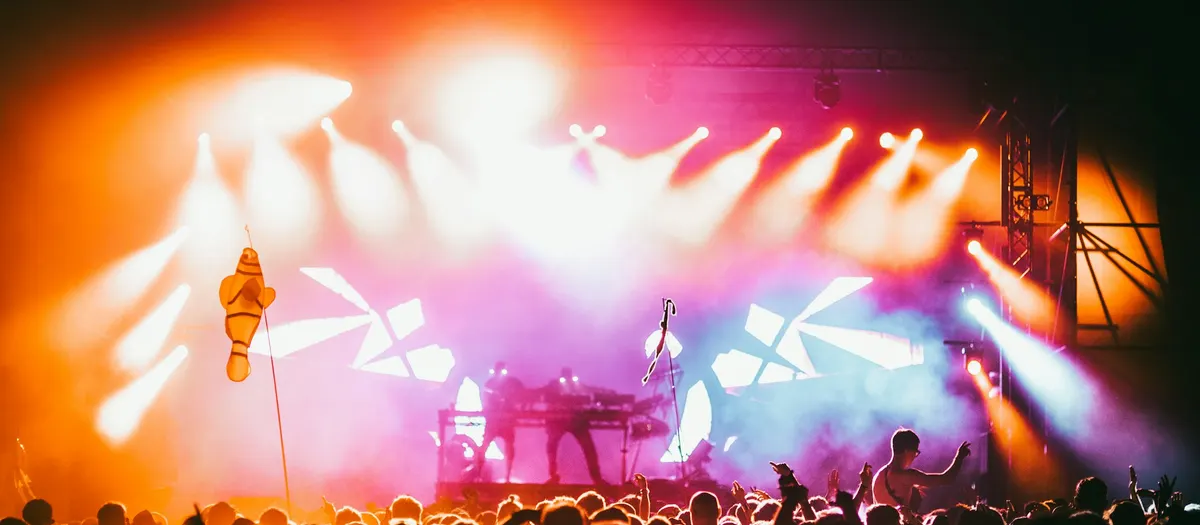
Photos that capture the energy of the stage, the artists and the audience, archived for press releases, social media and ads for your next event.
Media & Entertainment
For publishers, event organizers and content channels: digital marketing that fills the venue, grows your traffic and turns viewers into subscribers.
Get a Quote30 minutes · Free · Not a sales call
Growth Built for Media and Events
Free analysis
We review your business and competitors, then get back to you within 1 business day.
Sound familiar?
When we talk to publishers, organizers and content creators, we hear the same complaints again and again. The light boxes show the problem; the dark boxes show how we solve it.
Tickets don’t sell until the last week, and then there isn’t enough time.
We build a campaign plan that spreads sales across the event calendar and feeds the early period.
Our traffic dropped suddenly after an update.
We find the cause of the drop and fix the content and the technical setup accordingly.
People watch us, but it doesn’t turn into revenue.
We build a path that turns viewers into subscribers, members or ticket buyers.
We look at your business model, your calendar and your current channels, then give you a realistic budget range and a 90-day priority list. The call is free.
Scope of work · Illustrative examples
Here is every step of the work, shown the way it will look for your business: first the site your customers land on, then how you appear on Google and Instagram, and finally how we measure which ad brings in customers.
01Step 1
Whoever clicks an ad or a search result lands on your site first. We build pages that load fast on a phone and show your services, pricing logic and contact options on the first screen.
This month's concerts and shows
Browse the schedule and buy your ticket online. Door times and directions included.
Buy TicketsOnline tickets
Event calendar
Venue and directions
02Step 2
We show up for people already searching for your service, at the moment they search. Campaigns are split by search intent, and ad copy only uses facts verified on your site.
Sponsored
Concert Calendar | Buy Tickets Online
This month's concert, theater and stand-up schedule. Pick your seat and buy your ticket online.
EventsTicketsVenue
Sponsored
Theater Shows | Stagelight Events
The season's shows, showtimes and ticket information.
ShowtimesBuy Tickets
Sponsored
Stagelight Events
Event venue · Arts District
Box office opens 6 PM
03Step 3
We show your business to people nearby or interested who aren't searching yet. Vertical video, single image and carousel ads are tested together; the winners get scaled.

On stage Saturday night
Seats are limited.
Buy Tickets
A new episode is out
Behind the scenes with guests.
Listen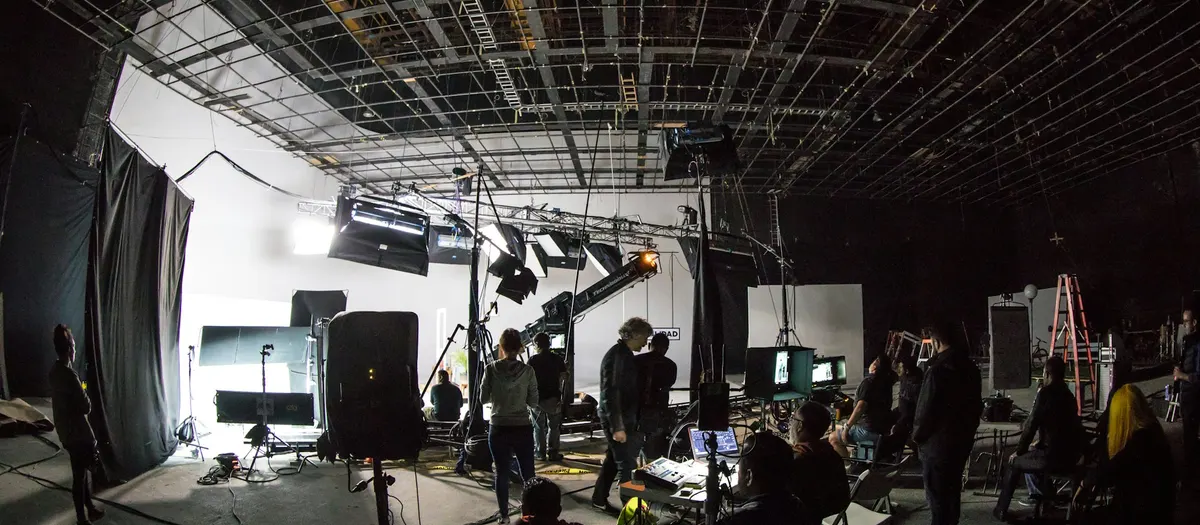
Frames from rehearsal
A short look before the show.
Watch04Step 4
The work starts with measurement so no ad spend goes to a result nobody can see. Every step from search to customer is tracked, and the budget grows with real demand, not guesses.
Images and copy are illustrative examples; the brand name is made up. The real work uses your own photos, prices and details.
Request This Plan for My BusinessPackages
We don’t list prices, because in this industry the budget depends on your business model, your event calendar and your content volume. We decide together on the call which package fits you.
For news sites, content sites and digital magazines
For concerts, festivals, theaters and event organizers
For YouTube channels, podcasts and production companies
Photo · Content · Social Media
In events and publishing, content is both the product and the ad. Shoots that capture the stage, the crowd and the atmosphere sell the tickets to your next event.
Photos that capture the energy of the stage, the artists and the audience, archived for press releases, social media and ads for your next event.
We make short recap films after the event and teaser videos for the next one.
Content from rehearsals, backstage and prep builds curiosity and anticipation before tickets go on sale.
A content calendar for the announcement, the countdown, live posting and the aftermath, with stories and Reels sending steady traffic to your ticket link.
Industry know-how
Once the event day passes, an unsold seat is lost forever. That’s why event marketing isn’t a continuous flow like in other industries but a campaign locked to a date. A plan that doesn’t feed the early period and piles the budget into the last week often leaves the venue half empty.
News and content sites often depend on search engines and recommendation feeds for their traffic. These sources can change overnight with an update. A publisher that depends on a single source has handed control of its revenue entirely to someone else; diversifying the audience isn’t a choice, it’s a necessity.
High view and follower counts often don’t bring the revenue people expect. Platform payouts are low and unpredictable. Lasting revenue comes when you can move viewers to your own channels: a newsletter, a membership, a ticket or a product. Until that path exists, the audience belongs to the platform.
Someone who bought a ticket to one event, reads a publication regularly or watches a channel is the most likely buyer of the next one. Collecting this audience on a permission-based list means you don’t start from scratch with every new event or piece of content, and it lowers your ad costs over time.
Process
A 30-minute call about your business model, your calendar, your content volume and your current channels. It isn’t a sales call; it’s a conversation about what needs to be done.
We review your traffic sources, your past campaigns, your ticket or subscriber data and where competitors stand. You see where your audience comes from and where it gets lost.
You get the priority channel, a monthly budget range, an event or content calendar and the technical fixes in writing. It’s clear what happens in which month.
Campaigns go live, pages are updated and ticket and subscriber tracking is connected. Every month you get one report with the work done, the results and next month’s plan.
What do we do?
We don’t launch everything at once. We set priorities based on your business model, your calendar and your goals, and start the budget on the channel that pays back fastest.
Showing up in search and in the news.
Traffic from the recommendation feed.
Filling the venue on time.
Growing your viewers.
Getting your audience to act.
Moving your audience to your own channels.
Free analysis
Fill out the form and we'll review your site, your competitors and the search demand in your industry, then call you within 1 business day. The call takes 30 minutes, it's free, and it isn't a sales call.
This isn't a sales call. We won't say “yes” to work that isn't a good fit for you; we'll tell you so plainly on the call.
S.S.S.
Media & Entertainment Knowledge Center
The six questions publishers, event organizers and content creators ask us most, answered from hands-on experience. Each heading matches a question people actually search for.
Events
What sets event marketing apart from other industries is the expiration date. Once the event day passes, every unsold seat is lost for good. That’s why the campaign should be planned not as a continuous flow, but as phases moving toward a set date.
The first phase is the announcement. At this point the most productive audience is people who have bought tickets to similar events before. A first announcement to past buyers and a limited number of early-bird tickets bring in early cash flow and create the impression that the event is in demand.
The second phase is the middle stretch, and in many plans it’s the weakest link. When the campaign stops during the long period between the announcement and the last week, interest fades. Lineup details, artist or speaker reveals, behind-the-scenes content and price tiers are the milestones that keep this period alive.
The third phase is the last call. This is when the undecided audience acts, and a significant share of the budget should go to this phase. But a plan that piles everything into the last week tries to fill the venue at the moment when competition and costs are highest. When the phases are balanced, the same budget sells more tickets and you’re less likely to need last-minute discounts.

Publisher SEO
Publishers often depend on search engines and recommendation feeds for much of their traffic. These sources run on algorithms that are constantly updated, and a single update can take away a large share of traffic overnight. This risk can’t be removed completely, but it can be reduced significantly.
The first line of defense is content quality. Content that carries no original information, is compiled from other sources or is produced only to pull traffic is the group hit hardest by updates. Content with its own news value, expertise and original perspective is less affected by these swings.
The second line is credibility signals. Who the authors are and their experience in the field, the publication’s masthead, its corrections policy and its habit of citing sources weigh heavily in how search engines assess credibility. Making this information visible and consistent is especially decisive for news sites.
The third line is technical health and page experience. Heavy ad density, pop-ups that push content aside, slow loading and unstable page layouts hurt both readers and rankings. Striking a balance that protects ad revenue without ruining page experience is a precondition for long-term traffic in publishing. Finally, moving your audience to your own channels, such as a newsletter, reduces your dependence on outside sources.

Discover
Google Discover is a personalized content feed that appears on people’s phones without them searching. It works from their interests, and for publishers it can be a source close to search traffic, sometimes even larger. But it works on a different logic from search and fluctuates a lot.
The most decisive factor for visibility in Discover is the image. The first thing that catches attention in the feed is the large image; low-resolution, logo-heavy images or images that don’t convey the topic get scrolled past. High-resolution images that directly convey the content clearly raise click-through rates.
The second factor is the headline. Headlines that spark curiosity and are backed up by the content work. Headlines that could be called clickbait, exaggerated or misleading, may bring clicks in the short term, but they go against platform policies and lower the site’s Discover visibility in the long run.
The third factor is consistency. Sites that publish regular, quality content in specific areas of interest become associated with those interests and show up in the feed more often. Because Discover traffic fluctuates by nature, basing your whole strategy on it is risky; it should be treated as one part of a balanced audience alongside search, social and your newsletter.
Video
There are two doors to growth on YouTube: search and recommendations. Search is when someone types a specific question or topic, and it’s strong for how-to content. Recommendations are the videos that appear next to what people are watching and on their home page; many channels get the bulk of their traffic from there.
Two things decide how the recommendation system treats a video: its click-through rate and its watch time. The thumbnail and the title determine the click-through rate; watch time is determined by the expectation set in the first seconds and whether the video meets it. A great thumbnail with disappointing content leads the system to stop recommending the video quickly.
Short videos are a strong tool for discovery. They reach new audiences fast and make the channel known. But short-video viewers don’t move to longer content on their own; you need to build a deliberate bridge between the two formats.
On the revenue side, platform ad revenue is low and unpredictable for many channels. Lasting revenue comes when you can move viewers to your own channels: a newsletter, a membership, a live event, a product or a service. Building that step naturally into your video descriptions and your content is what really turns views into revenue, and it protects the channel against platform changes.
Audience
The biggest weakness of media brands is traffic that depends on a single source. That source might be a search engine, a social platform or a recommendation feed. When its rules change, revenue can drop overnight without the brand making any mistake. This risk is managed through diversification.
The first step of diversification is seeing each source’s share. How much of your traffic and revenue comes from which source should be tracked regularly. If a single source’s share is very high, that isn’t a sign of strong performance but of high risk.
The second step is growing your own channels. A newsletter list, app notifications, memberships and community spaces are an audience the brand can reach directly, without depending on another platform’s rules. As this audience grows, swings in outside sources have less impact.
The third step is distributing content in more than one format. A news story or topic can reach different audiences on different channels as an article, a short video, a podcast episode and a social post. This approach gets a wider audience out of the same production effort and keeps a loss on any one channel from hitting all of your revenue. Every new channel is a step toward not leaving the brand’s future to a single platform’s decisions.
Remarketing
Many event organizers look for their audience from scratch with every new event. Yet someone who bought a ticket to one event is the most likely buyer of a similar next event. Losing this audience means having to find new buyers the most expensive way every time.
The first step is a permission-based contact list. Contact permission given with explicit consent at the time of the ticket purchase is the most valuable asset an organizer can have. When tickets are sold through third-party ticketing platforms, check from the start whether this data reaches you as the organizer; if it doesn’t, you need to set up your own sign-up channel.
The second step is remarketing audiences. People who visited the event page, added tickets to their cart without completing the purchase or watched videos from past events can be collected as separate audiences on ad platforms. These audiences turn into ticket buyers at a much lower cost than new audiences.
The third step is segmentation. Someone who came to a play and a concert audience shouldn’t get the same message. A list split by genre, artist, venue and price range lets you announce each event first to the right people. That way your audience builds up with every new event and campaign costs come down over time.
↕ Scroll up / down to read every section.
Ticket sales, reader traffic or turning viewers into revenue: which should come first? We’ll be clear about it on the call.
Book a free intro call30 minutes · Free · Not a sales call
Work in a different industry? Visit our industries page for more.