
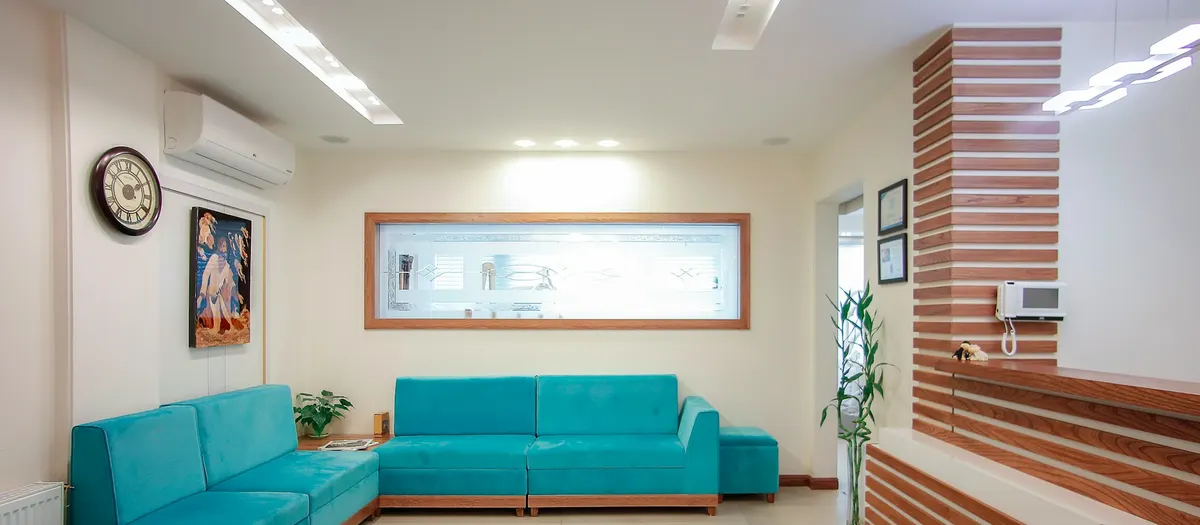
Clinic and Physician Photography
Exam rooms, equipment and physician portraits are shot with professional lighting. No patient faces, no before-and-after images and no visuals that promise results.
Healthcare
For clinics, medical practices and medical tourism brands: careful, rule-aware digital marketing that brings qualified appointment requests.
Get a Quote30 minutes · Free · Not a sales call
Brands we've worked with



Growth Built for Clinics
Free analysis
We review your business and competitors, then get back to you within 1 business day.
Sound familiar?
When we talk to clinic and practice owners, we hear the same complaints again and again. The light boxes show the problem; the dark boxes show how we solve it.
Patients look for us online but find another clinic.
We put you ahead on Google and in the map results for the treatments and neighborhoods patients search for.
We run ads, but the calls we get only ask about price.
We rebuild the ads so they reach only people genuinely interested in the treatment.
Our ad account keeps getting restricted because of healthcare rules.
We rewrite your ads from scratch to fit Google’s healthcare policies and the advertising rules that apply to you.
We look at your specialty and your area, then give you a realistic budget range and a 90-day priority list. The call is free.
Scope of work · Illustrative examples
Here is every step of the work, shown the way it will look for your business: first the site your customers land on, then how you appear on Google and Instagram, and finally how we measure which ad brings in customers.
01Step 1
Whoever clicks an ad or a search result lands on your site first. We build pages that load fast on a phone and show your services, pricing logic and contact options on the first screen.
Book your appointment in a few minutes
Departments, doctors and opening hours on one page. Book online or call for information.
Book OnlineOnline booking
Open weekends
Parking available
02Step 2
We show up for people already searching for your service, at the moment they search. Campaigns are split by search intent, and ad copy only uses facts verified on your site.
Sponsored
Clinic Near You | Book an Appointment Online
Learn about our departments, doctors and opening hours. Book your appointment online.
DepartmentsOur DoctorsAppointments
Sponsored
Dermatology Department | Appointments and Information
Working days and appointment information for our dermatology department. Pick a time online.
Book NowDirections
Sponsored
Cedar Health Clinic
Medical clinic · Main St, Downtown
Open · Closes 8 PM
03Step 3
We show your business to people nearby or interested who aren't searching yet. Vertical video, single image and carousel ads are tested together; the winners get scaled.

Pick a time that suits you
Book online by department and doctor.
Book Now
Before you come in
What to bring on the day of your appointment.
Learn More
Which department should I see?
Departments and opening hours.
Explore04Step 4
The work starts with measurement so no ad spend goes to a result nobody can see. Every step from search to customer is tracked, and the budget grows with real demand, not guesses.
Images and copy are illustrative examples; the brand name is made up. The real work uses your own photos, prices and details.
Request This Plan for My BusinessPackages
We don’t list prices, because in healthcare the budget varies a lot by specialty, city and how competitive the treatment is. We decide together on the call which package fits you.
For single-location clinics and practices
For providers with several specialties and ongoing ads
For providers that treat patients from abroad
Photo · Content · Social Media
Before choosing a clinic, patients want to see the space, the team and the doctor. We build trust with shoots planned around healthcare advertising rules and patient privacy.
Exam rooms, equipment and physician portraits are shot with professional lighting. No patient faces, no before-and-after images and no visuals that promise results.
We produce short videos of your physicians answering frequently asked questions. Kept informative, they work both on social media and on your website.
Content calendar, posting and message management; every post is reviewed against healthcare advertising rules before it goes live. Incoming messages reach your scheduling team.
For patients traveling from abroad, we prepare facility tours and process explainers in your patients’ languages; the same content is used in your international ads.
Industry know-how
Healthcare advertising is subject to the rules that apply where you practice and to Google’s and Meta’s healthcare policies. Phrases like “best”, “guaranteed” and “definite results”, and some types of images, are restricted. We write ads with these rules in mind from the start; a restricted or suspended account is the most expensive mistake.
In healthcare, people don’t just choose a service; they choose a physician and a provider. The physician’s specialty and experience, the facility’s hygiene and technology, and how easy it is to reach are trust factors that weigh more than price. Pages and ads should be built on that trust.
In many specialties, such as dentistry, eye care and physical therapy, patients look for a provider in their own neighborhood. Searches like “dentist near me” carry direct appointment intent; a provider that doesn’t show up in the map results loses these patients without ever seeing them.
In healthcare, people who fill in a form or call often contact several providers at the same time. The first to respond gets the appointment. To keep the demand digital marketing brings from going to waste, measuring and shortening your response time matters as much as the ads.
Process
A 30-minute phone call about your specialty, your target treatments and your current channels. It isn’t a sales call; it’s a conversation about what needs to be done.
We map search volume for your treatments in your area, your map ranking and where competing providers stand in ads and organic search. You see where patients are slipping away.
You get the priority treatments, a monthly budget range, a content plan written with advertising rules in mind and the technical fixes in writing. It’s clear what happens in which month.
Campaigns go live, pages are updated and appointment tracking is connected. Every month you get one report with the work done, the results and next month’s plan.
What do we do?
We don’t launch everything at once. We set priorities based on your specialty, your area and your goals, and start the budget on the channel that brings appointments fastest.
Showing up on Google when a treatment is searched.
Rule-aware, appointment-focused advertising.
Standing out in “near me” searches.
Patient inquiries from abroad.
Pages that build trust at the moment of decision.
Making sure no request goes to waste.
Free analysis
Fill out the form and we'll review your site, your competitors and the search demand in your industry, then call you within 1 business day. The call takes 30 minutes, it's free, and it isn't a sales call.
This isn't a sales call. We won't say “yes” to work that isn't a good fit for you; we'll tell you so plainly on the call.
S.S.S.
Healthcare Knowledge Center
The six questions clinics and healthcare providers ask us most, answered from hands-on experience. Each heading matches a question people actually search for.
SEO
Healthcare SEO starts with a separate, in-depth page for each treatment. Patients search for “dental implants” or “cataract surgery”; having these treatments appear as one line on a single “our services” page isn’t enough. Every treatment should have its own page, and that page should genuinely answer what patients want to know: how the treatment is done, how long the process takes and who it’s suitable for.
The second factor is trust. For topics that directly affect people’s health, Google pays particular attention to who wrote the content and what their expertise is. Physicians’ own profile pages, specialties and training should be clearly presented, and treatment content should be written or reviewed by a qualified physician.
The third is local visibility. In many specialties, patients look for a provider near them, so showing up in neighborhood and city searches matters as much as organic SEO. For multi-location providers, a separate location page for each branch strengthens both map and organic rankings. All content should follow the advertising rules that apply to you; exaggerated promises of results or misleading phrases carry legal risk and damage trust.
Google Ads
The first rule of healthcare advertising is knowing the platform policies and the rules that apply to you from the start. Google’s healthcare policies restrict ads for some treatments, and healthcare advertising rules prohibit misleading, exaggerated and comparative promotion. An ad that breaks the rules isn’t approved, and repeated violations can get the entire account suspended.
Campaigns should be structured by treatment. Putting every treatment into one campaign piles the budget onto the treatment with the cheapest clicks but the lowest return. A separate ad group, landing page and target for each treatment lets you control both cost and appointment quality.
Negative keyword management is especially critical in healthcare. Searches like “free”, “public hospital” or “how to do it yourself” don’t bring appointments but do burn budget. Location settings matter too: showing ads to people too far away to reach you is wasted spend. Finally, measurement has to be set up correctly; unless phone calls, form submissions and messages are each defined as separate conversions, you can’t know which ad brings appointments. Highlighting verifiable facts in your ad copy, such as the physician’s specialty, your location and how easy it is to get there, is the safest way to write ads that are both policy-friendly and high in click-through rate.
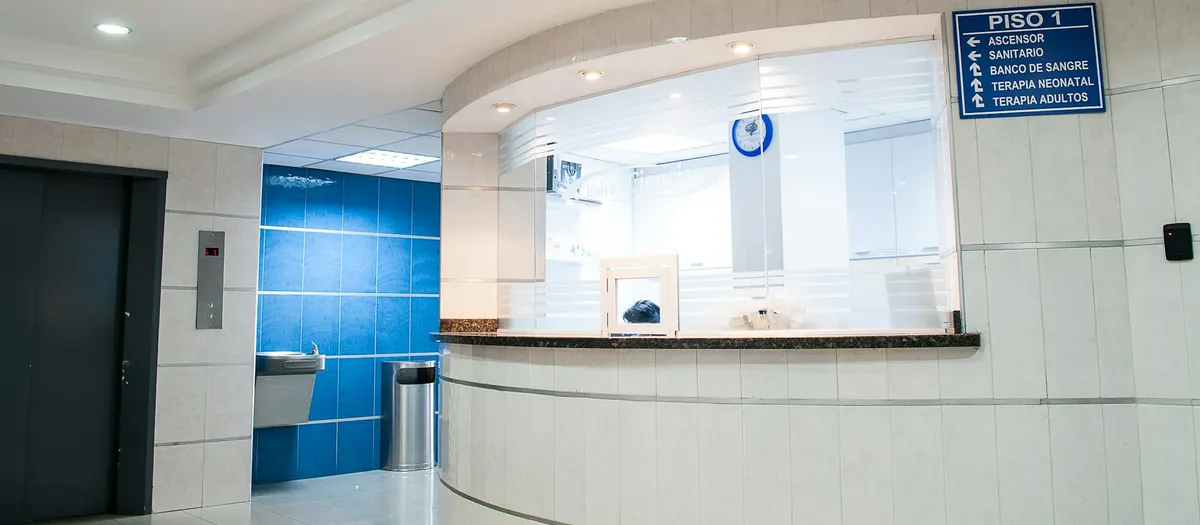
Maps SEO
Map results are where the highest-intent traffic in healthcare comes from. Someone searching “dentist near me” or “dermatologist in [neighborhood]” most likely wants an appointment that day or that week. A provider that doesn’t show up in the top three map results loses most of these patients without ever seeing them.
The main factors behind map rankings are a complete and accurate business profile, the right categories, a steady flow of genuine reviews, distance to the provider, and business information that matches other directories online. Opening hours, photos, the list of services and the booking link should be kept up to date.
Reviews affect both rankings and patients’ decisions, but review management in healthcare needs care. Reusing patient reviews for promotion can be a problem under advertising rules; on the other hand, responding respectfully to reviews, protecting patient privacy and leaving out medical details builds trust. Responding to a negative review in a solution-focused rather than defensive way often leaves a positive impression on the other patients who read it. Adding fresh photos and updates to the profile regularly also shows it’s active and supports visibility.

Medical Tourism
In medical tourism, the first decision is which countries to focus on, and that decision should be made with data. Which countries search for your treatment, which providers are visible there, click costs and the patient’s travel distance are weighed together. Starting with a few markets and concentrating where you get results works faster than spreading across many countries at once.
On the site side, translation isn’t enough. Every market has its own search language, questions and trust concerns. For patients from abroad, information about the treatment process, accommodation, airport transfers, interpreter support and the total length of stay matters as much as the treatment itself. On multilingual sites, the language and country structure has to be set up correctly from a technical standpoint.
On the inquiry side, speed is decisive. Patients from abroad often write to several providers in several countries at once; the provider that gives the first and clearest response pulls ahead. That’s why you need a separate form for international patient inquiries, fast responses in the patient’s own language and a regular follow-up process. Measuring which country and channel each inquiry comes from also lets you send the budget to the right market.
Trust
When patients choose a provider, they’re really deciding whether to trust a physician and a facility. Price is usually secondary in that decision. The physician’s specialty and experience, the facility’s hygiene and technology, how easy it is to reach and how open the communication is are what decide it. Your site needs to answer these questions at first glance.
Physician profile pages are the foundation of that trust: training, specialties, professional memberships and certifications should be clearly listed. The facility’s accreditations, the technology it uses and its sterilization processes should also be explained in plain language. These are verifiable facts that respect advertising rules, and they build far stronger trust than exaggerated promises ever could.
User experience is part of trust too. A site that loads fast on mobile, makes booking easy and shows contact details on every page gives an impression of professionalism. Content that walks through the treatment step by step and answers “what happens when?” eases patients’ anxiety and makes the decision easier. A provider that removes uncertainty is chosen even if its price is a little higher. An FAQ section is valuable here as well: answering in advance the questions patients hesitate to ask on the phone builds trust and lightens the load on your front desk.
Appointments
A large share of the demand digital marketing brings is lost before it becomes an appointment. The biggest reason is a late response. In healthcare, people who fill in a form or call often contact several providers at the same time; the one that responds first and most relevantly gets the appointment. A response hours later means losing a request you already paid for.
That’s why response time should be measured and set as a target. Routing every form and message to the right person instantly, sending an automatic reply to after-hours requests and calling back missed calls are the basic routines. Clarifying how the call center or front desk should answer each question directly increases conversion.
The last step is measurement. To know which ad, which treatment page and which channel actually bring appointments, calls, forms and messages should be tracked separately and matched against the appointments that took place in your own records. That way the budget goes to campaigns that bring real patients, not just requests. The real goal is not more forms but more patients walking through your door.
↕ Scroll up / down to read every section.
Map visibility, treatment ads or medical tourism: which should come first? We’ll be clear about it on the call.
Book a free intro call30 minutes · Free · Not a sales call
Work in a different industry? Visit our industries page for more.