
Product and Catalog Photography
We shoot every product on a white background and from several angles, so color and fabric texture look true to life on screen. We deliver separate sizes for marketplaces and for your own site.
Furniture
For furniture manufacturers, exporters and brands: visibility abroad, qualified demand, dealer and distributor inquiries, and more online sales.
Get a Quote30 minutes · Free · Not a sales call
Brands we've worked with



Growth Built for Furniture Brands
Free analysis
We review your business and competitors, then get back to you within 1 business day.
Sound familiar?
When we talk to furniture businesses, we hear the same complaints again and again. The light boxes show the problem; the dark boxes show how we solve it.
Fewer people walk into the store, and the ones who do say “I looked online.”
Shoppers look online before they visit the store; we put you in front of them at exactly that moment.
When we search Google for “sectional sofa”, competitors show up and we don’t.
We rewrite your product pages around the words people actually search for.
We pay for ads, but the people who come in only ask the price and leave.
We block searches like “cheap”, “used” and “repair”, so the same budget reaches people who will buy.
We look at your product range and your market, then give you a realistic budget range and a 90-day priority list. The call is free.
Scope of work · Illustrative examples
Here is every step of the work, shown the way it will look for your business: first the site your customers land on, then how you appear on Google and Instagram, and finally how we measure which ad brings in customers.
01Step 1
Whoever clicks an ad or a search result lands on your site first. We build pages that load fast on a phone and show your services, pricing logic and contact options on the first screen.
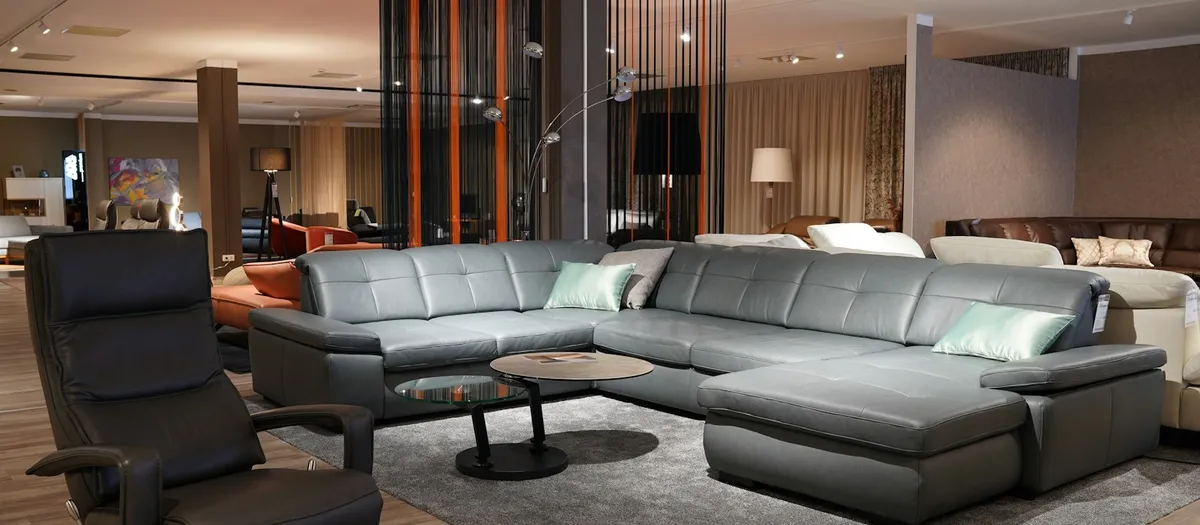
A sofa made to fit your living room
Made to order with your choice of fabric and color. Try it in the showroom or browse online.
Request a CatalogMade-to-order sizes
Showroom appointments
Nationwide delivery
02Step 2
We show up for people already searching for your service, at the moment they search. Campaigns are split by search intent, and ad copy only uses facts verified on your site.
Sponsored
Modern Sofas | Made-to-Order Sizes
Made-to-order sofas with your choice of fabric and color. Request a catalog, try one in the showroom.
SofasBedroomsShowroom
Sponsored
Bedroom Sets | Oak & Grain Furniture
Solid wood bedroom sets. Send your measurements and we will pick the right model together.
ModelsRequest a Catalog
Sponsored
Oak & Grain Furniture
Furniture store · Furniture District, Main St
Open · Closes 7 PM
03Step 3
We show your business to people nearby or interested who aren't searching yet. Vertical video, single image and carousel ads are tested together; the winners get scaled.
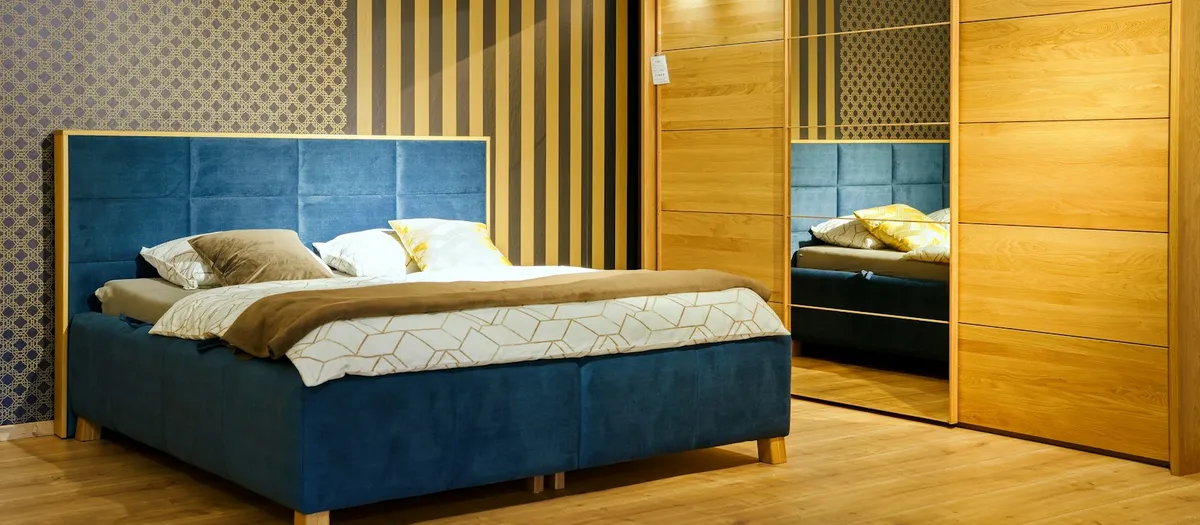
A room you wake up to in morning light
Solid wood sets, made to your size.
Request a Catalog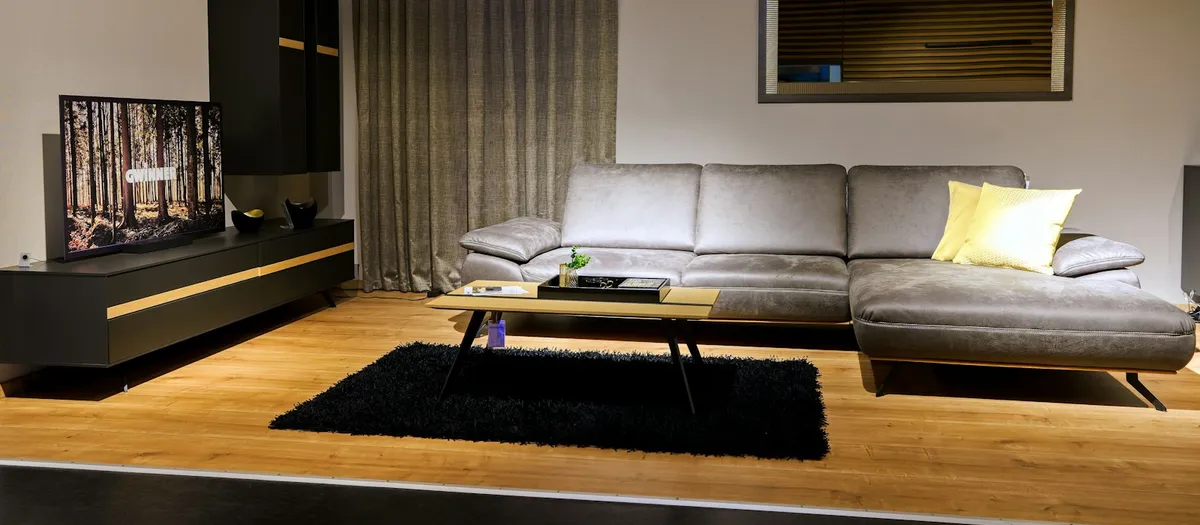
Do not decide before you sit down
Try every fabric in the showroom.
Book a Visit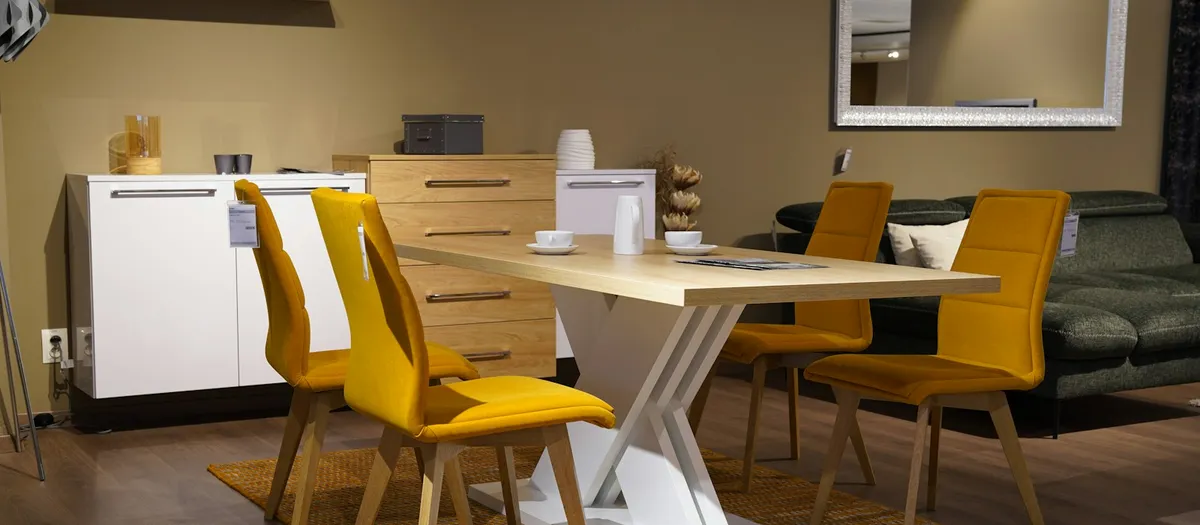
For crowded tables
Extendable table and chair options.
See Models04Step 4
The work starts with measurement so no ad spend goes to a result nobody can see. Every step from search to customer is tracked, and the budget grows with real demand, not guesses.
Images and copy are illustrative examples; the brand name is made up. The real work uses your own photos, prices and details.
Request This Plan for My BusinessPackages
We don’t list prices, because in furniture the budget depends on your product range, your market and the competition. We decide together on the call which package fits you.
For showrooms and stores starting out with digital
For brands already advertising and ready to scale
For manufacturers selling to buyers abroad
Photo · Content · Social Media
Furniture sells online through visuals. Catalog photos, room-setting shoots and short videos decide the conversion rate of both your ecommerce pages and your ads abroad.
We shoot every product on a white background and from several angles, so color and fabric texture look true to life on screen. We deliver separate sizes for marketplaces and for your own site.
We shoot the set in a real room setting to show how it will look in the customer’s home. These shots tend to get the most engagement in Meta and Pinterest ads.
We make vertical videos that walk through the showroom and show product details. Customers who live far away can decide before they ever visit the store.
We plan new collection, promotion and inspiration-from-customer-homes content for Instagram, Pinterest and YouTube, and route incoming messages to your sales team.
Industry know-how
Furniture isn’t an impulse buy. People take measurements, talk it over with their partner and visit a few stores. A campaign structure that expects a sale in one click burns the budget in this industry. We set up separate messages and separate remarketing windows for first contact, evaluation and the decision.
Most customers browse online and buy in the store. A setup that only measures the cart gives a misleading picture in furniture. We also count phone calls, direction requests, messages and appointment requests as conversions, and report the real return on your ads that way.
The biggest hesitation in furniture is “how will it arrive, who will assemble it, and what happens if something goes wrong?” Putting that information up front on the product page and in the ad copy moves the conversion rate more than most visual changes do.
Selling to consumers and selling to wholesalers or overseas buyers work with different keywords, different pages and different forms. Mixing them in one account hurts both cost and lead quality, so we separate them from the start.
Process
A 30-minute phone call about your product range, your goals and your current channels. It isn’t a sales call; it’s a conversation about what needs to be done.
We map the search volume and seasonality of your product groups, and where competitors stand in ads and organic search. You see where you have gaps and where you can pull ahead.
You get the priority channel, a monthly budget range, the technical fixes and the content plan in writing. It’s clear what happens in which month.
Campaigns go live, pages are reworked and tracking is connected. Every month you get one report with the work done, the results and next month’s plan.
What do we do?
We don’t launch everything at once. We set priorities based on your product range, your showroom setup and your goals, and start the budget on the channel that pays back fastest.
Lasting visibility that doesn’t reset when the ads stop.
Demand from day one, with filtered clicks.
Furniture sells on visuals, so creatives get tested.
“Furniture store near me” is direct store traffic.
Takes export demand beyond the trade-show calendar.
A page layout that turns traffic into sales.
Free analysis
Fill out the form and we'll review your site, your competitors and the search demand in your industry, then call you within 1 business day. The call takes 30 minutes, it's free, and it isn't a sales call.
This isn't a sales call. We won't say “yes” to work that isn't a good fit for you; we'll tell you so plainly on the call.
S.S.S.
Furniture Knowledge Center
The six questions furniture brands ask us most, answered from hands-on experience. Each heading matches a question people actually search for.
SEO
Furniture SEO starts with category architecture, not blog posts. A shopper searches for “sectional sofa”, but on your site the product is called “L-Shape Set 3+2 Fabric”; as long as the search language and the product language don’t match, the page will never show up. The first job is to find the category names that have search volume and build the site structure on top of them: living room, bedroom, dining room, kids’ and teen rooms, office, and the real subcategories under each.
The second issue is variants. If the same sofa in five fabrics and three colors creates separate URLs, Google can’t tell which one to rank and the strength is split across all of them. Bringing variants together on one product page, writing indexing rules for filter pages and setting canonical tags correctly brings a significant gain on its own for most furniture sites.
The third is content depth. Pre-decision questions like “what size dining table do I need”, “fabric or leather” and “mattress sizes” have high search volume and low competition. This content doesn’t sell directly, but it catches people before they decide, and it’s the cheapest traffic source for filling your remarketing lists.
Google Ads
There’s no single right number; three things set the budget: your market, your product group and how intense the competition is. On a broad keyword like “sectional sofa”, the cost per click can be several times that of a narrow one like “crib prices”. The right question isn’t “how much should I spend” but “what does one sale cost me, and can I afford it?”
The math is simple: if you know your average order value and profit margin, you know the most you can pay for a purchase. Add your page’s conversion rate and the category’s cost per click, and the minimum monthly budget falls out on its own. A budget below that threshold is usually wasted, because it doesn’t give the campaign enough data to learn.
Before raising the budget, clean up the spending. A negative keyword list, location and time-of-day splits, separating branded searches and fixing the product data make a clear difference on the same budget in most accounts. Raising the budget makes sense as long as the cost per result stays on target; if the cost goes above target, the problem isn’t a small budget but the setup itself. And because a furniture purchase often doesn’t happen on the first click, single-session measurement misleads: if the conversion window isn’t extended to match the category’s decision time, campaigns look worse than they are and get shut down for no reason.
Ecommerce
In furniture, what fills the cart isn’t a discount but removing uncertainty. The three questions in the shopper’s head are almost always the same: will it fit in my home, what does it really look like, and how will it get to me? If the product page doesn’t answer all three clearly, the visitor goes off to compare and usually doesn’t come back.
Dimensions should be shown as a diagram and in everyday terms like “seats six”, not as a single line of text. A single product photo on a white background isn’t enough: room settings, different angles, fabric close-ups and, where possible, real customer delivery photos directly affect conversion. Delivery, assembly and warranty information isn’t a tab hidden at the bottom of the page; it’s a trust signal that belongs right next to the price.
Finally, show payment options early. Furniture orders are large, so for many shoppers payment options such as buy now, pay later matter as much as the price itself; a restriction discovered at checkout wastes all the marketing that brought them there. The same goes for stock and lead times: saying “delivered in 3-4 weeks” upfront noticeably reduces cancellations and return requests after the order. In reminders sent to cart abandoners, repeating this trust information before offering a discount works better too.
Showroom
A large share of furniture buyers research online and buy in the store. So for a brand with stores, success can’t be measured by online sales alone; the real goal is to bring the person searching to the showroom door. The first channel for that is your Google Business Profile and the map results.
Searches like “furniture store near me” or “furniture store [neighborhood]” carry a direct intent to visit. To show up in them, your business profile’s categories, opening hours, and product and store photos must be up to date, and reviews should be collected and answered regularly. For brands with several locations, a separate location page for each store strengthens map rankings and organic visibility together.
The second channel is location-targeted ads: radius targeting around the store, visit-focused campaigns during sale periods and showroom content on Instagram. To measure this work, direction requests, phone calls, messages and appointment forms must be defined as conversions; otherwise the ads work but never show up in the report. Asking customers in the store “how did you find us?” completes the picture: some visits that come from digital can never be measured as clicks, and your sales team’s notes are the cheapest data source for closing that gap.

Export
In export, the first decision is which market to enter, and it’s made with data, not gut feeling. Search volumes in the target countries, the foreign and local manufacturers already visible in that market, costs per click and shipping distance are weighed together. Starting with two or three markets and focusing on the one that delivers gets results much faster than spreading across ten countries at once.
On the site, translation isn’t enough. Each target market has its own search language, units of measurement, and payment and delivery terms; if B2B terms like “wholesale”, “dealership”, “container” and “MOQ” aren’t used correctly in that language, buyers never find you. In a multilingual setup, hreflang tags and country-specific content must be set up correctly on the technical side.
On lead generation, the B2B flow is separate from retail: a quote form instead of a price list, sample and catalog requests instead of a cart, and long email threads instead of quick sales. A separate page and a separate form for dealer and distributor applications directly raises the quality of the inquiries you get. Asking for production capacity, target volume and destination country on the form makes it easier for your sales team to decide which inquiry to answer first. In export, one right buyer is worth more than hundreds of unqualified inquiries, so the optimization is for inquiry quality, not inquiry count.
Meta Ads
Instagram is a discovery channel for furniture; people don’t search for the product, they come across it. So the first second of the ad should show the result, not the product: a furnished room, a transformed living room, a real home. Creatives that look like catalog photos get scrolled past quickly.
Three formats usually work best: room-setting videos, before-and-after stories and real customer delivery content. They also answer the question where brands are weakest, “what does it really look like?” Creatives should be chosen by testing, not opinion; each round a limited number of variations go live, the winner is scaled and the losers are switched off.
Because furniture decisions stretch over weeks, the real gain is in remarketing. Catching a visitor who looked at a product and left, with catalog ads showing exactly that product and what goes with it, brings sales at a much lower cost than first-contact campaigns. The remarketing window should match the category’s decision time; a one-week window is often too short for furniture. Splitting audiences by behavior matters too: people who viewed a product, added it to cart or looked at the store page shouldn’t all see the same message. Finally, keep an eye on the comments under your ads; questions about price and delivery pile up there, and every unanswered comment is a paid click that got nothing in return.
↕ Scroll up / down to read every section.
Showroom traffic, online sales or dealer inquiries: which should come first? We’ll be clear about it on the call.
Book a free intro call30 minutes · Free · Not a sales call
Work in a different industry? Visit our industries page for more.