
Rug Product Photography
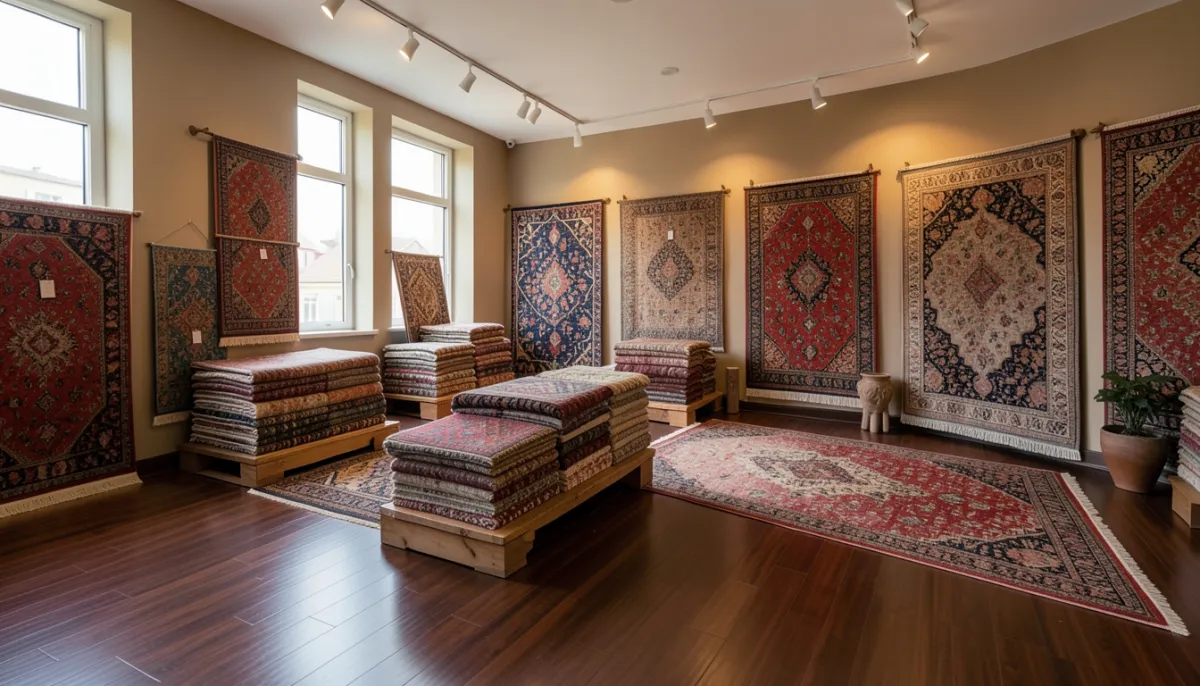
Each rug is shot from standard angles: a full top-down view, a close-up of the texture and the edge detail. Color calibration keeps it close to real life on screen.
Rugs & Carpets
For rug manufacturers, wholesalers and rug stores: work that brings shoppers looking for the right size and the right color to your product pages.
Get a Quote30 minutes · Free · Not a sales call
Growth Built for Rug Companies
Free analysis
We review your business and competitors, then get back to you within 1 business day.
Sound familiar?
When we talk to rug companies, we hear the same complaints again and again. The light boxes show the problem; the dark boxes show how we solve it.
Our products get lost on marketplaces, and our own site doesn’t sell.
We make your own site show up when people search by size and pattern.
Our return rate is high; the color and size don’t match what people expect.
We rework your product pages with size details, color and room photos so they set expectations correctly.
Ad costs eat up our product profit.
We build campaigns around the profitability of each product group and separate out the products that lose money.
We look at your product range, your sales channels and your target market, then give you a realistic budget range and a 90-day priority list. The call is free.
Scope of work · Illustrative examples
Here is every step of the work, shown the way it will look for your business: first the site your customers land on, then how you appear on Google and Instagram, and finally how we measure which ad brings in customers.
01Step 1
Whoever clicks an ad or a search result lands on your site first. We build pages that load fast on a phone and show your services, pricing logic and contact options on the first screen.
A rug sized for your home
Hand-knotted and machine-made models, ordered to your size, with in-home trial.
See ModelsCustom-size orders
In-home trial
Rug cleaning service
02Step 2
We show up for people already searching for your service, at the moment they search. Campaigns are split by search intent, and ad copy only uses facts verified on your site.
Sponsored
Hand-Knotted Rugs | Ordered to Your Size
Hand-knotted rug models in natural dyes. Send your room measurements and we will pick the right ones.
Hand-KnottedModelsContact
Sponsored
Rug Cleaning Service | Loomwood Rug Gallery
We pick up your rugs from home, clean them and deliver them back. Message us to book.
Book NowService Areas
Sponsored
Loomwood Rug Gallery
Rug store · Main St, Downtown
Open · Closes 7 PM
03Step 3
We show your business to people nearby or interested who aren't searching yet. Vertical video, single image and carousel ads are tested together; the winners get scaled.
A rug for a lifetime
Hand-knotted models in natural dyes.
See Models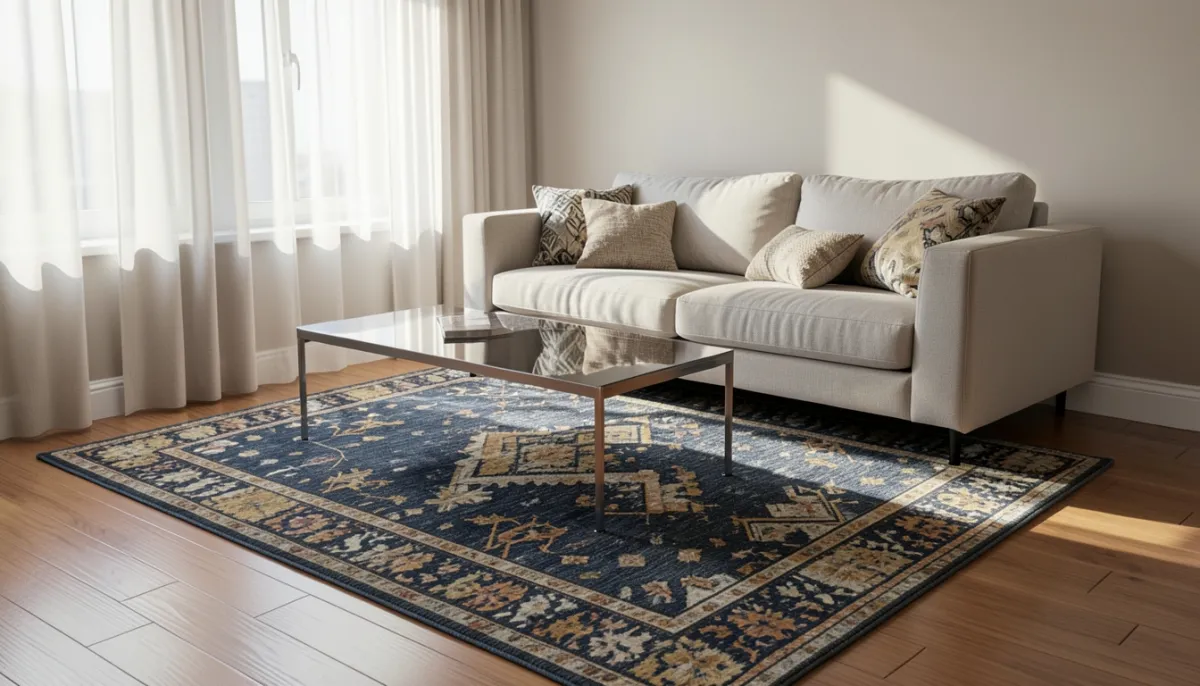
A rug sets the mood of a room
Ordered to your size.
Send Measurements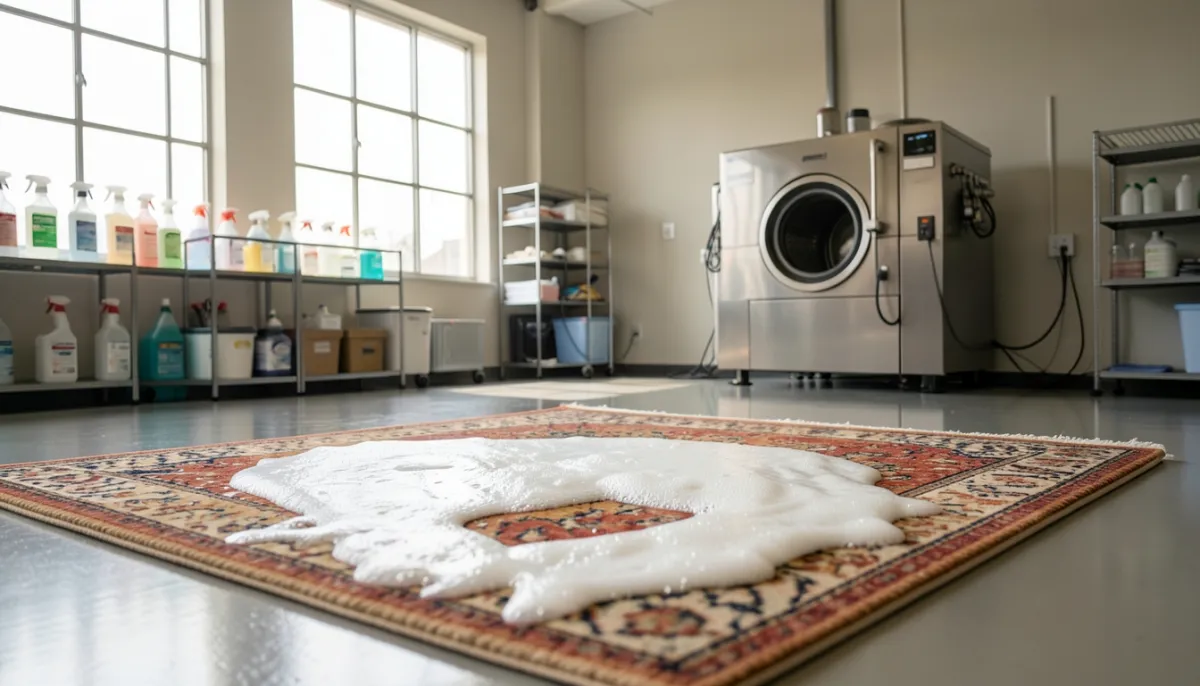
We pick up and bring back
Rug cleaning by appointment.
Message on WhatsApp04Step 4
The work starts with measurement so no ad spend goes to a result nobody can see. Every step from search to customer is tracked, and the budget grows with real demand, not guesses.
Images and copy are illustrative examples; the brand name is made up. The real work uses your own photos, prices and details.
Request This Plan for My BusinessPackages
We don’t list prices, because in this industry the budget depends on the number of products, your sales channels and your target market. We decide together on the call which package fits you.
For businesses with a physical rug store
For brands selling rugs from their own website
For companies that manufacture and sell abroad
Photo · Content · Social Media
With rugs, if the pattern, color and texture don’t look right online, the customer either returns the rug or never buys it. Shooting colors as close to real life as possible decides both your sales and your return rate.
Each rug is shot from standard angles: a full top-down view, a close-up of the texture and the edge detail. Color calibration keeps it close to real life on screen.
We show the rug in living room, bedroom and office settings, so customers can picture it in their own home.
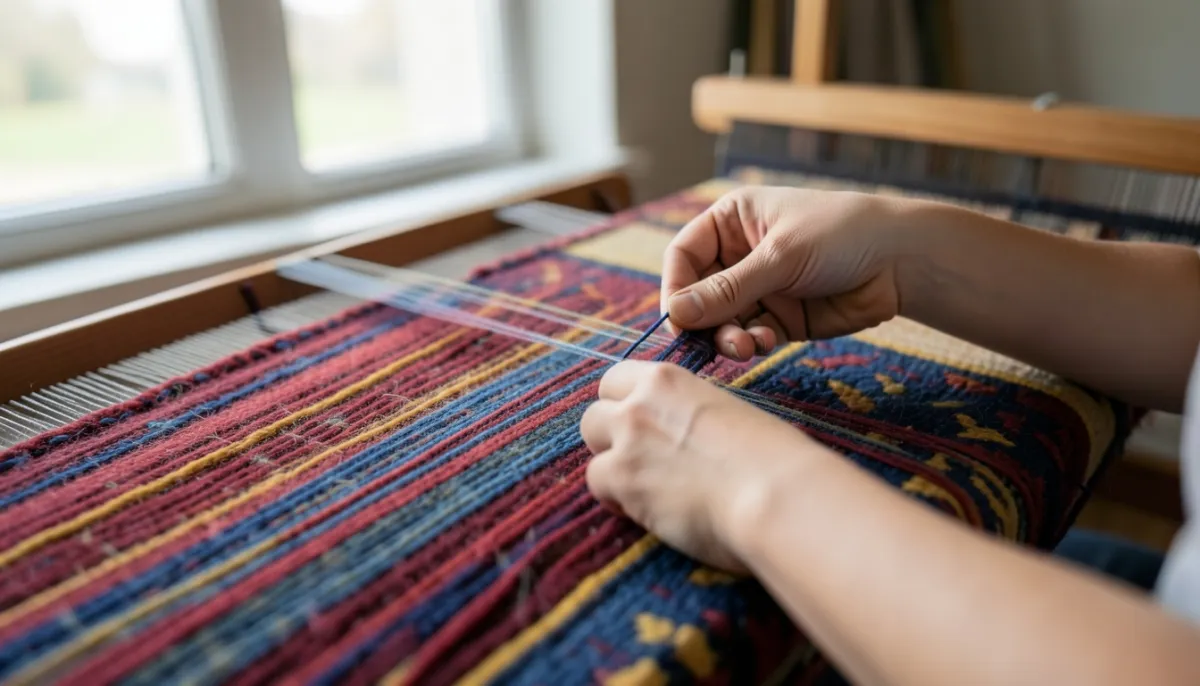
Videos about hand weaving and your production process build a sense of craft and quality, especially for buyers abroad.
A content calendar focused on Instagram and Pinterest, with new collections and, with their permission, photos from customers’ homes shared regularly.
Industry know-how
Shoppers don’t search for “rug”; they search for “8x10 living room rug” or “2x8 runner”. Combinations of size, room and pattern make up the real search map of this industry. When your category structure is built around these combinations, even a single product page can answer hundreds of different searches.
The difference between the color on screen and the color of the rug that arrives is one of the main reasons for returns in this industry. Photos of the same rug taken in different light, a close-up of the pile height and a photo of it in a real room set expectations correctly and reduce returns.
Marketplaces bring quick revenue, but the customer relationship and brand value don’t build up there, and fees eat into your profit. A rug brand that can sell from its own site works with higher margins and gets repeat purchases through its own channel. The right approach is to run both together.
A manufacturer’s production capacity gains value when it meets demand from abroad. Multilingual pages, content shaped for each target market and a wholesale application flow free your export demand from depending on the trade show calendar.
Process
A 30-minute phone call about your product range, your sales channels, your production capacity and your target market. It isn’t a sales call; it’s a conversation about what needs to be done.
We review your site, your product data, your ad account and your competitors’ product pages. We work out which product groups you’re visible in and where you’re losing out.
You get the priority product groups, the category structure, an ad budget range and the product page changes in writing. It’s clear what happens in which month.
Category and product pages are updated, campaigns go live and sales and return tracking is connected. Every month you get one report with the work done, the results and next month’s plan.
What do we do?
We don’t launch everything at once. We set priorities based on your product range, your sales channel and your goals, and start the budget on the channel that pays back fastest.
Showing up in size and pattern searches.
Reaching people ready to buy.
Showing the rug in a real room.
Setting expectations correctly.
Bringing online interest into the store.
Inquiries from abroad and from dealers.
Free analysis
Fill out the form and we'll review your site, your competitors and the search demand in your industry, then call you within 1 business day. The call takes 30 minutes, it's free, and it isn't a sales call.
This isn't a sales call. We won't say “yes” to work that isn't a good fit for you; we'll tell you so plainly on the call.
S.S.S.
Rugs & Carpets Knowledge Center
The six questions rug manufacturers, wholesalers and rug stores ask us most, answered from hands-on experience. Each heading matches a question people actually search for.
Search
Rug searches almost never consist of a single word. Shoppers know their room, their size and their style, so they search for things like “8x10 living room rug”, “non-slip kitchen runner” or “charcoal modern rug”. These three parts, room, size and style, make up the real search map of this industry.
This structure directly shapes your category architecture. Sites that only work with a general category such as “rugs” can’t answer most of these searches. When room-based categories, size filters and color and pattern groups are each set up separately, the site can offer a suitable page for hundreds of different searches.
The second group of searches is about price and the decision: “rug prices”, “which rugs are easiest to clean”, “how to choose a rug”. These searches don’t bring sales directly, but they catch the shopper at first contact. When guide content links clearly to the relevant product groups, part of this traffic turns into sales over time.
The third group is brand and model searches. A shopper may search online for a rug they saw in a store, or may be following a specific collection. Publishing products with clear model names and on separate pages makes sure that for these searches, your product is found on your own site rather than on a marketplace.
Product Page
A rug is one of the hardest product groups to buy from a screen. The shopper can’t touch the texture, can’t see the true color and has to imagine how it will look in their room. That uncertainty leads to one of two outcomes: they give up without buying, or they buy and send it back. The product page’s job is to reduce that uncertainty.
Variety in photos is decisive here. A single studio photo isn’t enough; the rug should be shown in daylight and in artificial light, with a close-up of the pile and a photo of it in a real room with furniture. A short video conveys texture and thickness more effectively than a photo.
On the size side, what helps most is making it visual. A simple chart showing which size suits which room size, and a diagram showing how the rug should sit relative to the coffee table and the sofa, clearly reduce wrong size choices. This content also ranks in search engines.
Finally, you need technical details and transparency: material, pile height, backing, whether it’s washable, thickness and weight. When delivery time, return terms and the handling of large sizes are written out clearly, shoppers decide faster. Every piece of information you hide comes back as an abandoned cart.
Advertising
With rugs, the profit difference between product groups is large. A small doormat and a large living room rug differ in price, shipping cost and profit margin. Putting every product into one campaign hides these differences and lets the budget flow to low-profit products.
The right setup is grouping products by profitability and price range and managing each group separately. You can bid more aggressively on high-margin groups, while large sizes with high shipping costs call for more caution. When this split is made, the profit you get from the same budget changes noticeably.
On Google Shopping, the quality of your product data directly decides performance. Having size, color, material and pattern information complete in the product feed means your products show up for the right searches. Advertising products that are out of stock or have outdated prices is budget straight down the drain.
On Meta, a rug’s strength is visual. Photos of the rug in a furnished room work much better than a product photo on a bare floor. The best return comes from remarketing to people who visited your site, looked at a specific product or abandoned their cart; this audience is already at the decision stage.
Store
A rug is a product many shoppers hesitate to buy without seeing it. That’s an advantage for a physical store: the shopper researches online, likes a few models, then goes to the store to look at the texture. When the digital side of this journey isn’t in place, the store can’t see this demand in its own area.
The first step is map visibility. Choosing the right category on your Google Business Profile, keeping opening hours up to date, adding in-store photos and listing the product groups you sell help you stand out in “rug store near me” searches. Reviews are decisive both for this ranking and for the shopper’s choice.
The second step is making the product groups in your store visible online. You don’t need to put all your stock up for sale online; even listing your collections, brands and size ranges on your site lets shoppers say “they have what I’m looking for”. Giving a price range also cuts down on unnecessary store visits and disappointment.
The third step is local content. Neighborhood and town pages answer people searching in that area, but these pages shouldn’t be copies of each other. When you write information that’s genuinely specific to the area, such as how to get to the store, parking, your delivery area and any in-home placement service, these pages both help the shopper and hold their ranking.
Export
Many rug manufacturers get their export demand only from trade shows and existing relationships. The months outside the trade show calendar pass quietly when there’s no digital channel in place.
The first step is a multilingual site, but translation alone isn’t enough. Target markets use different units of measurement, product names and search habits. When you use metric sizes alongside feet and inches, the terms the market is used to and photos suited to that country, the page really answers the buyer.
The second step is the business information buyers look for: production capacity, minimum order quantity, lead time, quality and test certificates, custom production options and logistics terms. When this information isn’t given clearly, buyers turn to a competitor that states it openly rather than going through a long back-and-forth.
The third step is the inquiry flow. Setting up a wholesale application form, sample and catalog requests and technical spec sheet downloads captures the interest that comes in. When search ads in your target countries and visibility on industry platforms are added, export demand stops depending on trade show seasons and spreads across the year.
Seasons
Demand for rugs swings noticeably through the year. Spring cleaning, back to school, moving season and the run-up to the holidays are the times when demand rises.
The first way to manage these swings is not keeping the budget flat. When demand is high, ad competition and costs rise too; in these periods, concentrating the budget on your most profitable product groups works better than spreading it across a wide range. In quieter periods, it makes sense to put more weight on content and SEO.
The second way is featuring products by season. Thin, washable rugs can be featured in the summer months, and thick, warm models in winter. Arranging category pages and campaigns around this cycle gets more sales out of the same stock.
The third way is getting ahead of demand. Content and email reminders prepared before the season starts make sure your site is ready when search volume begins to rise. Content published after the season has started usually misses that season in the rankings, so the calendar should be set a few months in advance.
↕ Scroll up / down to read every section.
Online sales, store traffic or export demand: which should come first? We’ll be clear about it on the call.
Book a free intro call30 minutes · Free · Not a sales call
Work in a different industry? Visit our industries page for more.