
Hotel Photography
Rooms, the pool, the restaurant and common areas are shot at the right time of day and in the right light. We prepare separate sets for your own website, booking platforms and your Google profile.
Travel
For hotels, tour operators and car rental companies: digital marketing that brings bookings through your own website, without paying commission to booking platforms.
Get a Quote30 minutes · Free · Not a sales call
Brands we've worked with



Growth Built for Hotels and Travel
Free analysis
We review your business and competitors, then get back to you within 1 business day.
Sound familiar?
When we talk to hotel and tour operators, we hear the same complaints again and again. The light boxes show the problem; the dark boxes show how we solve it.
Most of our bookings come through online travel agencies, and the commission is too high.
We build the pages and campaigns that persuade guests to book on your own website.
The property sits empty in the off-season, and ads don’t help.
We fill the slow months with a separate audience and a separate offer for the off-season.
When people search for our hotel on Google, the booking sites show up before us.
We help you take the top spot on searches for your own name, so that booking comes in commission-free.
We look at your property, your seasons and your target markets, then give you a realistic budget range and a season plan. The call is free.
Scope of work · Illustrative examples
Here is every step of the work, shown the way it will look for your business: first the site your customers land on, then how you appear on Google and Instagram, and finally how we measure which ad brings in customers.
01Step 1
Whoever clicks an ad or a search result lands on your site first. We build pages that load fast on a phone and show your services, pricing logic and contact options on the first screen.

Hold your place for ski season
Ski tours with hotel stays, cultural tours and summer holiday packages.
Book NowOnline booking
Flexible dates
Transfer options
02Step 2
We show up for people already searching for your service, at the moment they search. Campaigns are split by search intent, and ad copy only uses facts verified on your site.
Sponsored
Ski Trips | Packages with Hotel Stay
Weekend and week-long ski trips. Pick a date and see hotel and transfer options.
Ski ToursHotelsBook Now
Sponsored
Guided Cultural Tours | Summit Tours
Guided cultural tours with hotel stays. Browse dates and hold your place.
Tour ScheduleBook Now
Sponsored
Summit Tours & Stays
Travel agency · Main St, Downtown
Open · Closes 7 PM
03Step 3
We show your business to people nearby or interested who aren't searching yet. Vertical video, single image and carousel ads are tested together; the winners get scaled.
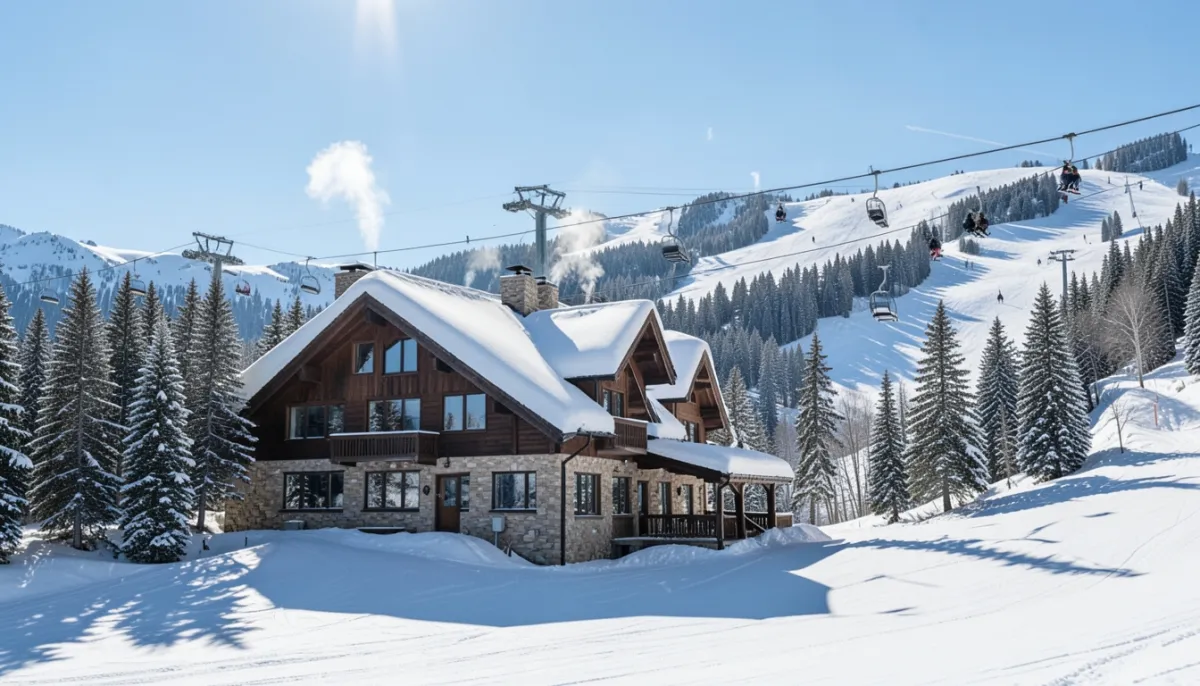
Be first on the slopes
Ski tours with hotel stays.
Book Now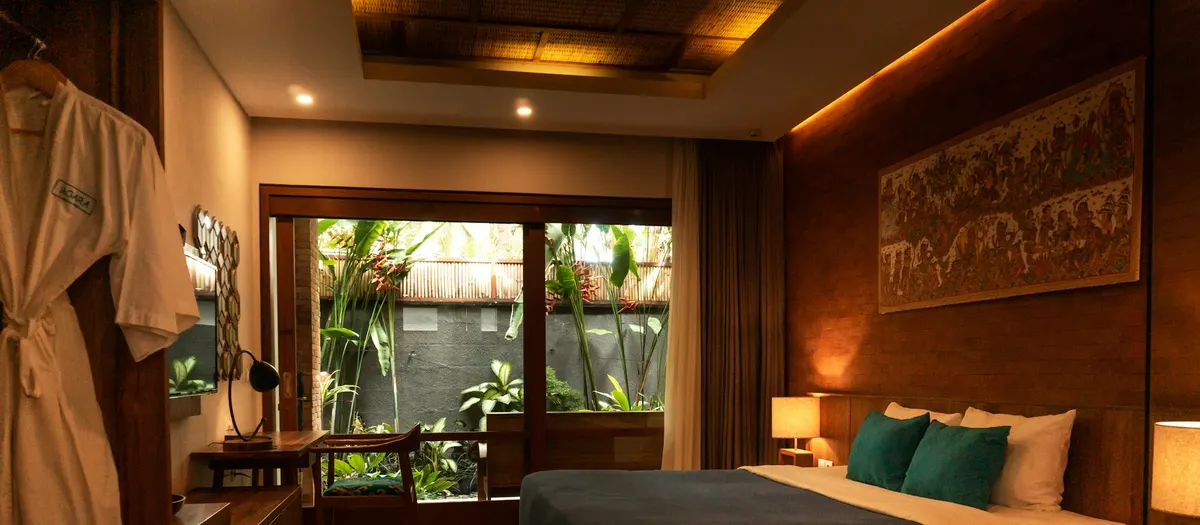
A warm room after a long day
Hotels included in the tour packages.
See Hotels
Walk through history with a guide
Cultural tours with weekly departures.
See the Schedule04Step 4
The work starts with measurement so no ad spend goes to a result nobody can see. Every step from search to customer is tracked, and the budget grows with real demand, not guesses.
Images and copy are illustrative examples; the brand name is made up. The real work uses your own photos, prices and details.
Request This Plan for My BusinessPackages
We don’t list prices, because in travel the budget depends on the size of your property, the length of your season and your target markets. We decide together on the call which package fits you.
For boutique hotels and local travel businesses
For properties that want to pay less commission to booking platforms
For properties attracting guests from abroad
Photo · Content · Social Media
Vacation decisions are emotional, and photos and video carry that emotion. From the room to the pool, from breakfast to sunset, we show guests the experience they’ll have before they book.
Rooms, the pool, the restaurant and common areas are shot at the right time of day and in the right light. We prepare separate sets for your own website, booking platforms and your Google profile.
We show the distance to the sea, the beach and nearby sights from the air. This content sells the location and is used in your ads abroad as well.
We produce vertical videos that tell the story of a guest’s day. Your Instagram and TikTok posts and your ads draw on the same content.
We put pre-season, early-booking and in-season content on a calendar, and route booking questions that come in by DM to your sales team.
Industry know-how
Online travel agencies bring occupancy, but they take a high commission on every booking. Getting the same guest to book on your own website turns that whole commission into profit. The goal isn’t to drop the platforms entirely; it’s to tip the balance between commissioned and commission-free bookings in your favor.
A property that looks for vacationers in summer has to look at a different audience in the off-season: weekend getaway travelers, remote workers, meeting and event groups. Off-season occupancy is the job of a separate campaign, built with a separate audience and a separate offer.
In travel, guests decide largely by reading reviews. A higher score doesn’t just mean more bookings; it also means you can sell the same room at a higher rate. That makes collecting and managing reviews as concrete a revenue line as advertising.
Guests research destinations and properties for weeks, then book in a short moment. So you need to stay visible throughout the research and offer the easiest way to book when they decide. A complicated booking step loses weeks of built-up interest at the last second.
Process
A 30-minute phone call about your property, your seasons and your current booking channels. It isn’t a sales call; it’s a conversation about what needs to be done.
We map how your bookings split across channels, your commission load, where you stand on searches for your own name and where competing properties stand. You see where you can cut commission.
You get separate campaign plans for the peak and off-season, a budget range, booking engine fixes and the content plan in writing. It’s clear what happens in which month.
Campaigns go live, pages are reworked and booking tracking is connected. Every month you get one report with the work done, the channel split and next month’s plan.
What do we do?
We don’t launch everything at once. We set priorities based on your property, your seasons and your target markets, and start the budget on the channel that cuts commission fastest.
Turning commission into profit.
Showing up on destination searches.
Reaching people planning a trip.
Attracting guests from abroad.
A routine that lifts your score.
Demand for cars and transfers.
Free analysis
Fill out the form and we'll review your site, your competitors and the search demand in your industry, then call you within 1 business day. The call takes 30 minutes, it's free, and it isn't a sales call.
This isn't a sales call. We won't say “yes” to work that isn't a good fit for you; we'll tell you so plainly on the call.
S.S.S.
Travel Knowledge Center
The six questions hotel and tour operators ask us most, answered from hands-on experience. Each heading matches a question people actually search for.

Direct Bookings
The first step to more direct bookings is winning back searches for your own name. When a guest types your hotel’s name into Google, the ad spots at the top often show online travel agencies. When that person, who was already looking for you, clicks that ad, you end up paying commission on the same booking. Being in the top spot on your own name with your own ad is the work that pays back fastest.
The second step is giving guests who reach your website a better reason to book there than on a platform. It doesn’t always have to be a discount: a free room upgrade, late checkout, breakfast included, flexible cancellation or parking are all strong reasons. What matters is that the perk is clearly visible in the booking step.
The third step is the booking engine itself. At many properties the website looks good but the booking step is slow, hard to use on mobile or has too many steps. At that point the guest gives up and goes back to the platform they’re used to. Easy date selection, a clearly visible rate and payment in just a few steps directly raise your direct share.
The last step is measurement. The channel split of your bookings should be tracked regularly, and the monthly change in direct share and the commission saved should be reported. When that number isn’t visible, direct-booking work stays abstract; when it is, the decision to raise the budget becomes easy.

SEO
In travel, SEO has to answer two different kinds of search. The first is the brand search: the person knows the property’s name and searches for it directly. It looks easy, but booking platforms and review sites can rank ahead of you; your own pages need to sit clearly at the top for that search.
The second is the destination search, like “boutique hotel in [destination]” or “honeymoon hotel in [destination]”. To show up there, you need content about the destination alongside your property pages. Content on what to do in the area, where to go, which season is best and how to get there catches guests before they decide.
Room and service pages should be set up separately. Giving each room type its own page, instead of listing every room on one page, means more surface in search and clearer information for guests. Rates, capacity, the view and what’s included should be written out clearly.
The technical side matters a lot in travel, because most traffic is on mobile and the images are heavy. Images should be compressed, pages should load fast and the booking engine shouldn’t drag down page speed. For multilingual properties, setting up the language and country structure correctly also keeps search engines from showing the wrong language version.
Seasons
Off-season occupancy isn’t the peak-season strategy repeated on a smaller budget. The audience changes: a property that looks for vacationers in summer should look, in the off-season, at weekend getaway travelers, remote workers, meeting and event groups and, in some areas, people looking for hot springs and wellness.
Each audience needs a different offer. Weekend guests want short stays and flexible cancellation; remote workers look for fast internet, a place to work and a long-stay discount; corporate groups ask about meeting rooms, catering and invoicing. You can’t reach all three with the same ad.
The timing is different too. Off-season bookings are usually made closer to the date, so campaigns run near the date with a flexible budget. Raising the budget ahead of the dates most at risk of sitting empty is more efficient than spending a fixed budget all season.
Finally, your past-guest list is the cheapest source of off-season bookings. An off-season offer sent to satisfied guests who have stayed with you before brings bookings at a much lower cost than winning new guests. That requires collecting guest contact details with permission and using the list regularly.
International
In international marketing, the first job is to decide with data which countries to focus on. Which countries do visitors to your area come from, where is your destination being searched for, what are the flight connections like and at what rates are competing destinations selling? Starting with a few markets and focusing on the one that delivers gets results faster than spreading across many countries at once.
On the site, translation alone isn’t enough. Every market has different expectations: guests from some countries value all-inclusive stays, some flexible cancellation, others local experiences. Page copy should be written for those expectations, and payment methods and currency should suit that market.
On the ad side, timing matters. Guests from abroad usually book earlier, so campaigns start weeks before the domestic ones. Splitting audiences by interests and travel behavior gets much more out of the same budget.
Finally, trust signals are more critical for international guests. For someone booking from far away, clear cancellation terms, secure payment, transport and transfer information, and even practical details like visas and passports are part of the decision. Answering these questions clearly on the page directly raises conversion.
Reputation
In travel, your review score isn’t just a reputation signal; it’s pricing power. Between two properties of the same quality in the same area, the one with the higher score can sell the same room at a higher rate and fills faster. That’s why review management is one of the highest-return lines in a marketing budget.
The way to raise your score isn’t fake reviews; platforms detect them and penalize the property. The right way is to make asking every guest for a review systematic. A short, personal message sent after the stay clearly increases the number of reviews, and the more reviews you have, the less weight any single negative one carries.
Negative reviews are inevitable and do no harm when handled well. A reply that isn’t defensive, acknowledges the problem and offers a solution often leaves a positive impression on other guests who read it. An unanswered negative review, on the other hand, looks like you agree with the complaint.
Most important of all is fixing recurring complaints in your operations. If the same issue keeps showing up in reviews, it’s an operations problem, not a marketing one. Reading reviews regularly and reporting the recurring topics raises both your score and guest satisfaction for good.

Car Rental
In car rental, demand is largely set by location and timing. Searches like “car rental [airport]” or “car rental [city]” carry strong intent and are close to a booking. So campaigns should be split by pickup point: the airport, the city center and tourist areas.
Price is decisive in this industry, and comparison sites make the competition tougher. In that environment, competing on price alone erodes your margin. Explaining things like deposit terms, mileage limits, additional drivers, insurance coverage and flexible drop-off clearly builds the trust that makes up for a price gap.
Season and date management is critical. The budget should go up when demand rises and come down when the fleet is mostly booked; otherwise you spend ad money on a service you can’t sell. Pages and campaigns by vehicle class make it possible to manage spend by which class has cars available.
Finally, the booking step should be fast and mobile-friendly. People often book while getting ready for a trip, on their phone and in a hurry. Easy date and time selection, a clear total price with every line item and payment in just a few steps directly affect conversion.
↕ Scroll up / down to read every section.
Commission-free bookings, off-season occupancy or guests from abroad: which should come first? We’ll be clear about it on the call.
Book a free intro call30 minutes · Free · Not a sales call
Work in a different industry? Visit our industries page for more.